

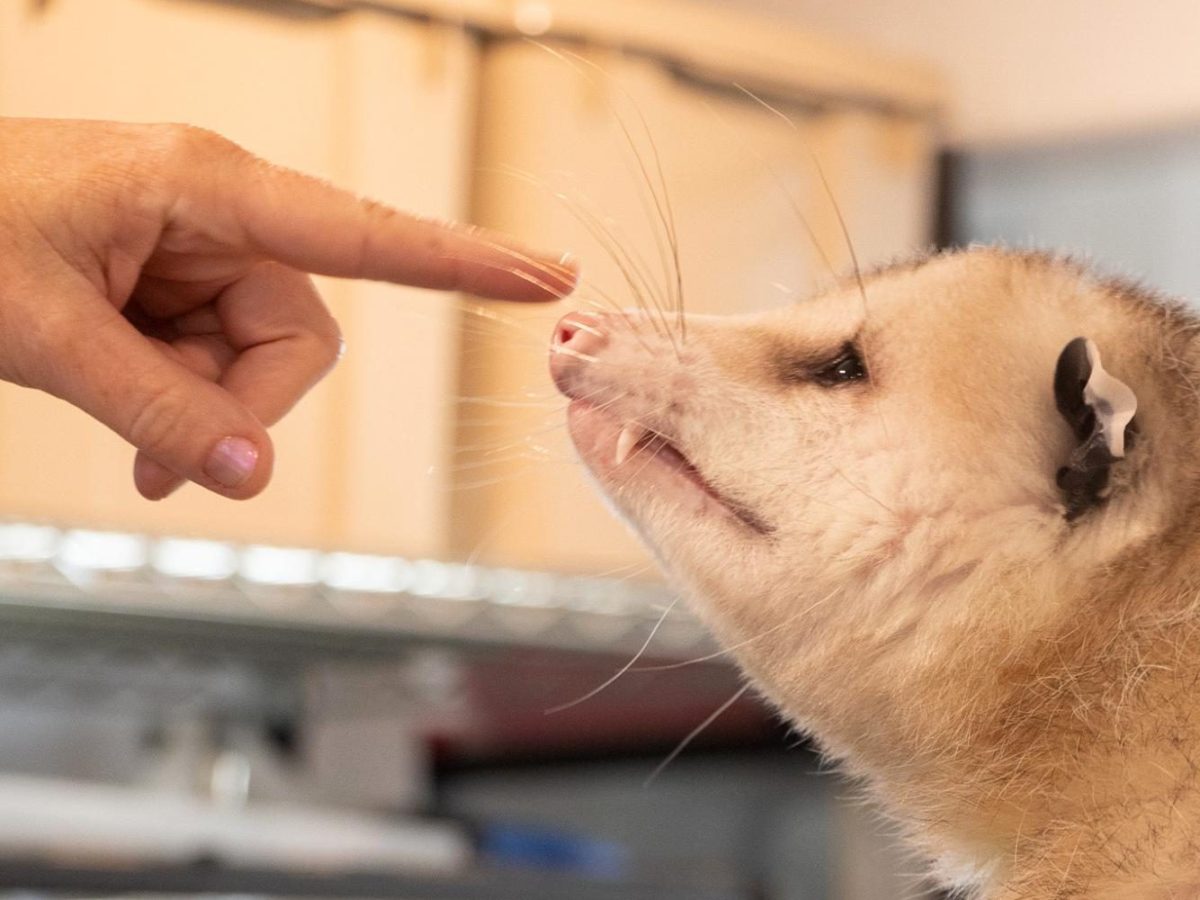
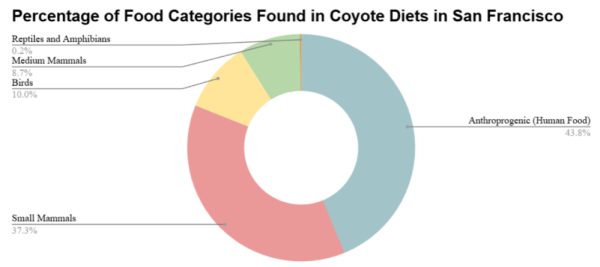
Every day, coyotes can be spotted across San Francisco. Some roam parks and neighborhoods in search of pocket gophers, rats and mice. But oftentimes, coyotes find the food humans leave behind from their picnics, parties and other gatherings. Sometimes, though, the food has been intentionally left for the coyotes. Chicken, beef, and pork from fast-food scraps are now among the most common staples in coyote diets in the city. This accessibility to easy food has led them to get used to the paved streets, big buildings and, yes, people. While coyotes continue to be perceived by passersby as a threat, their encounters with and free scraps from humans in our urban environment tell them otherwise.
Native to San Francisco, as much as any human, coyotes aren’t the only wild animal to experience the turbulent relationship between humans and wildlife.
We often think of wildlife — such as coyotes, opossums, raccoons and squirrels — in urban environments as pests in our neighborhood, but how they interact and spend their time is directly impacted by human behavior.
There is currently only one rehabilitation center in the city that rescues wildlife and is currently at risk of closure due lack of funding and volunteers. Among this risk San Francisco wildlife faces, coyotes in particular are also developing unnatural eating habits — one that may lead to greater conflict with humans.
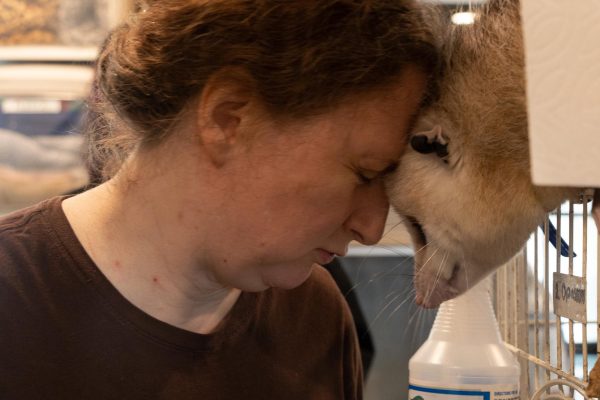
Yggdrasil Urban Wildlife Rescue (YUWR) is San Francisco’s only rehabilitation center for wildlife in the city and has been rescuing wildlife in the Bay Area since 2001, releasing hundreds of animals back to their habitats. The non-profit, volunteer-run rehab facility is dependent on donations and their, approximately, 130 volunteers in sustaining their efforts to help wildlife in need in urban environments.
Lila Travis, the founder and director of YUWR and Education Center, works to ensure the appropriate care for each animal that enters YUWR’s doors.
For Travis, treating wildlife emphatically and compassionately is important to her mission.
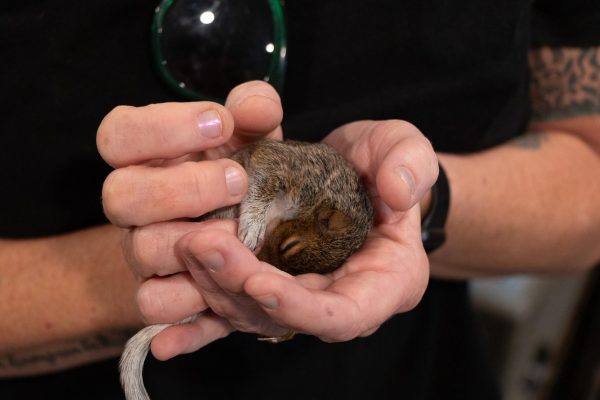
“I think that we would treat each other a lot kinder if we all felt compelled to stop and help when injured animals are laying in the street,” Travis said during an interview over the phone, moments after caring for a squirrel suffering from seizures.
“The reality of the situation is that as a species, humans are very unaware that we share this world,” said Travis. “The majority of us don’t feel the responsibility to protect the Earth for all life, and I think that we don’t even really take care of each other as a species.”
Working closely with YUWR are members of the public and other wildlife facilities in the Bay. Together they care for animals in need; the collaborators include: Berkeley and Oakland Animal Care Services, Lindsay Wildlife Experience, WildCare, Ohlone Humane Society and San Francisco Animal Control and Care (SFACC).
Deb Campbell, the volunteer outreach coordinator at SFACC, says that humans cause most of the issues related to conflict with wildlife.
Campbell explained that many people are unknowingly inviting animals to their environment. Bird baths, fallen fruit from trees, and feeding wildlife, are all examples of this.
“We get reports of people intentionally feeding, and that happens pretty frequently,” said Campbell about SFACC. In San Francisco it is illegal to feed wildlife under Municipal Code Section 486.
“We’ll go out and warn them that that actually could be punishable by up to a $1,000 fine, because you’re changing the behavior of wildlife and making them dependent on you.” said Campbell.
Janet Kessler, also known as the “Coyote Whisperer,” has been observing coyotes in San Francisco and documenting their behavior through a camera every day for the past 18 years.
Kessler agrees that feeding wildlife is causing unnatural behaviors, especially in coyotes, stating that she tries to educate those who feed them to understand the harm they are causing.
Kessler’s daily visits with coyotes has allowed her to observe them and discern their natural and unnatural behavior. “Each is unique and this uniqueness goes deeper than just how they look,” said Kessler. “Each one really is an individual. They live in tight-knit nuclear families. They’re highly social, interactive and communicative.”
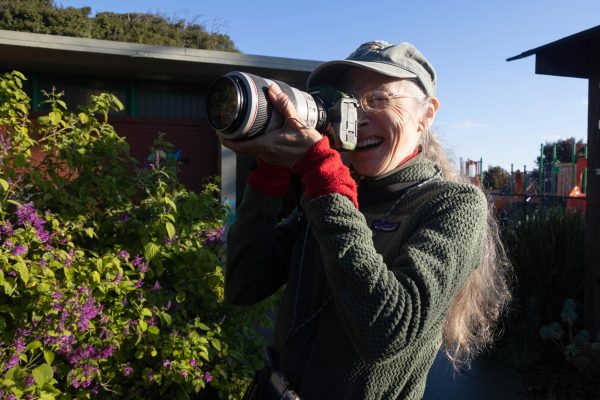
“I think humans and coyotes impact each other about equally,” said Kessler. “I believe one of the reasons coyotes are here in the city is convenience — just like it is for us humans.”
Tali Caspi, an urban ecologist and researcher at the UC Berkeley Schell Lab, recently spoke about her research at SFACC. Her dissertation work at UC Davis was on the diet and physiology of coyotes in San Francisco, which used both scat samples and whiskers to reveal just how impactful human food is on urban coyotes’ diets.
According to the scientific journal Ecology Letters published this September, the contributions Caspi made with her research — using diet metabarcoding and stable isotope analysis — detected chicken but no feathers. Detecting further made it clear it was from human food.
“Even though I expected to find that they were eating human food, the quantity was pretty alarming,” said Caspi. She supports people’s love for wildlife but encourages taking a more distant approach in coexisting with them.
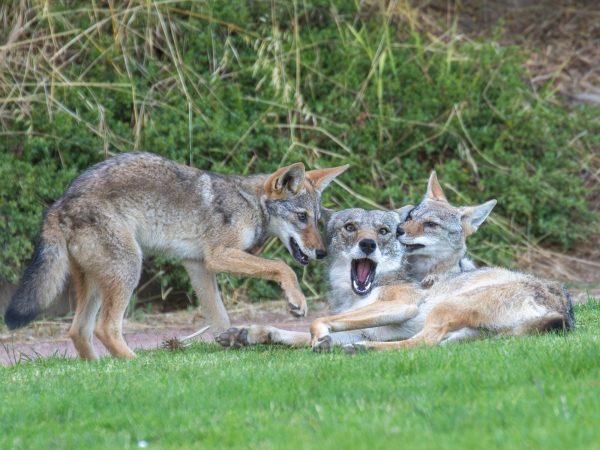
“Sometimes the way that manifests is in people wanting to take on the role of caretaking, or taking care of these animals, in ways that’s like, ironically, actually really harmful to them,” said Caspi.
Christine Wilkinson, the assistant curator of community science at the Natural History Museum of Los Angeles County and research associate at the California Academy of Sciences, worked alongside Caspi in coyote research.
Wilkison’s research published in 2023 by British Ecological Society, in collaboration with Caspi and SFACC, revealed that nearly 80% of reported conflicts in San Francisco with coyotes were dog related, which is another larger contributor to wildlife conflicts.
“Most of the instances of reported conflict were people who had off-leash dogs in on-leash areas, despite signage saying not to do that,” said Wilkinson.
Wilkinson’s upcoming campaign, which has yet to be named, will educate the Bay Area community on wildlife and discourage feeding them, while highlighting the present disconnect of coexistence.
“Western kinds of civilizations have always viewed themselves as separate from nature, and we know that’s not true,” said Wilkinson. “In urban spaces, like the incredible San Francisco where there’s so much green space and so many places for wildlife to thrive, reminds us that we are not separate from nature.”


Pete • Dec 12, 2025 at 12:01 am
cutie patootie