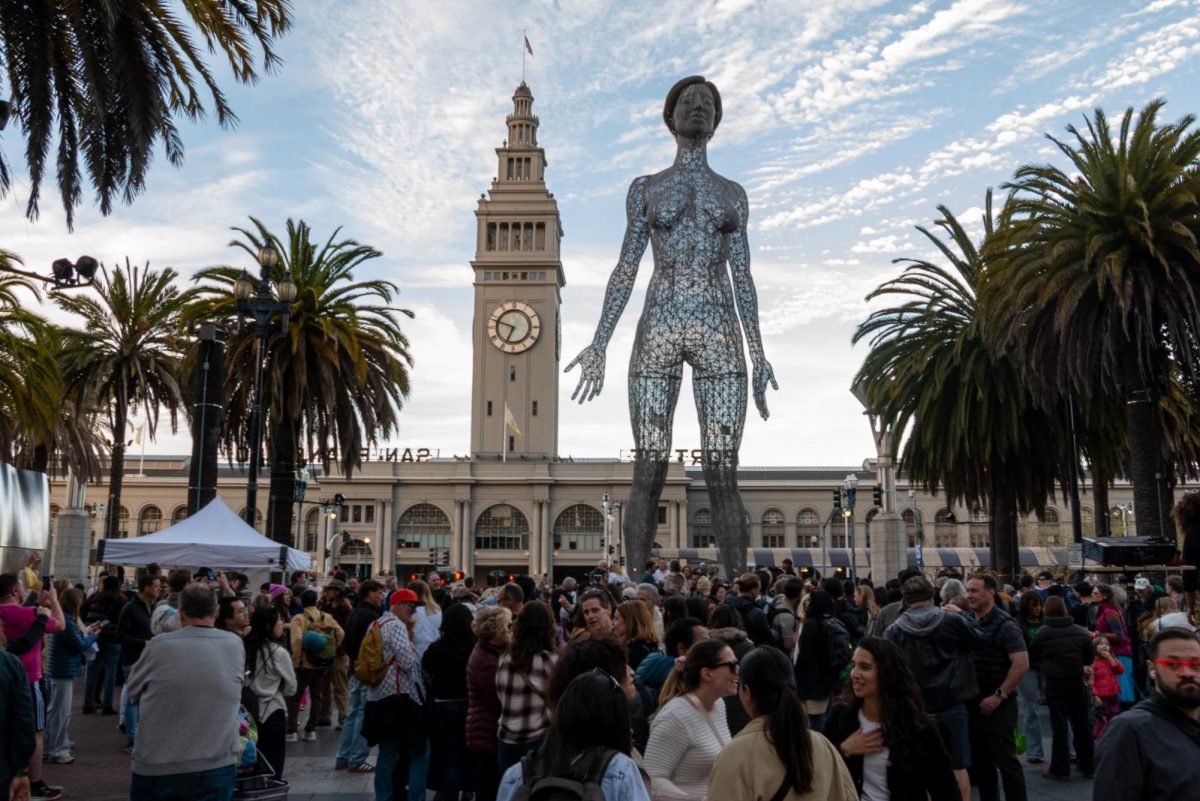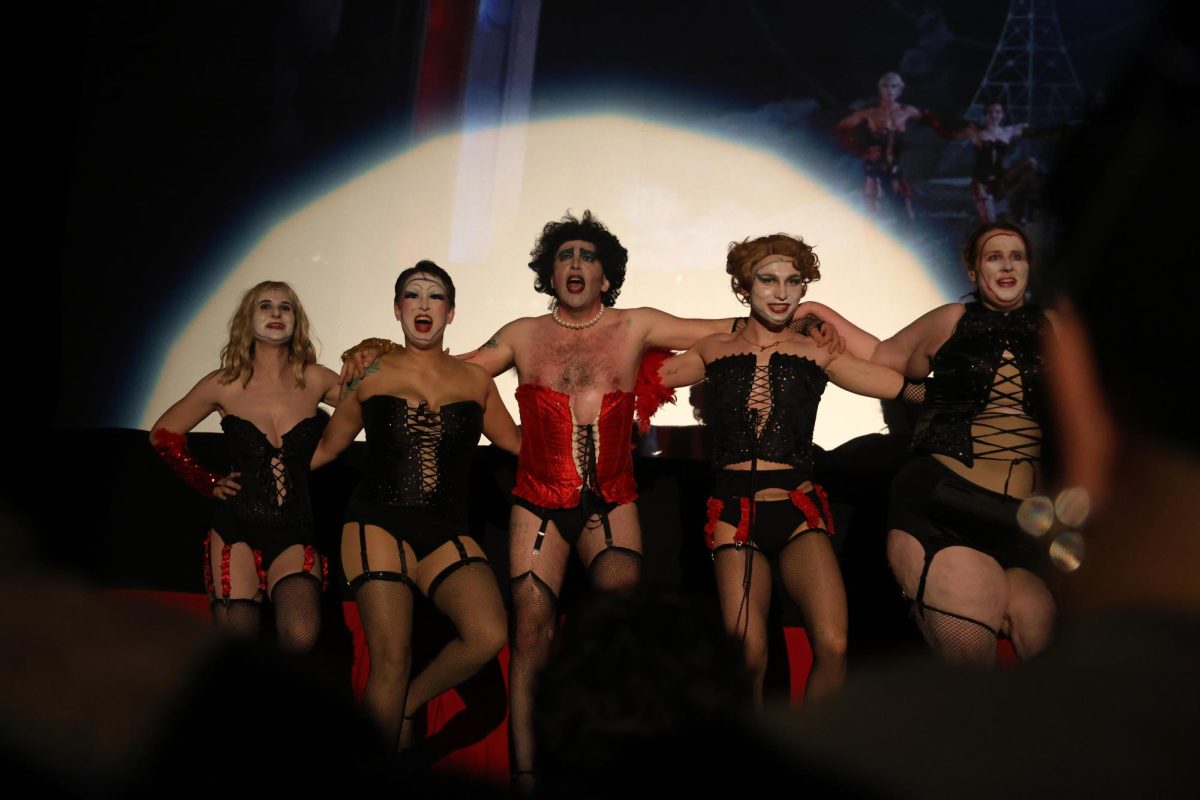
The nightlife scene in San Francisco is evolving through the city’s new entertainment zones and with the closure and opening of venues. In May 2024, San Francisco established California’s first official entertainment zone on Front Street. Since 2024, 15 designated locations in the city are now ‘Entertainment Zones.’
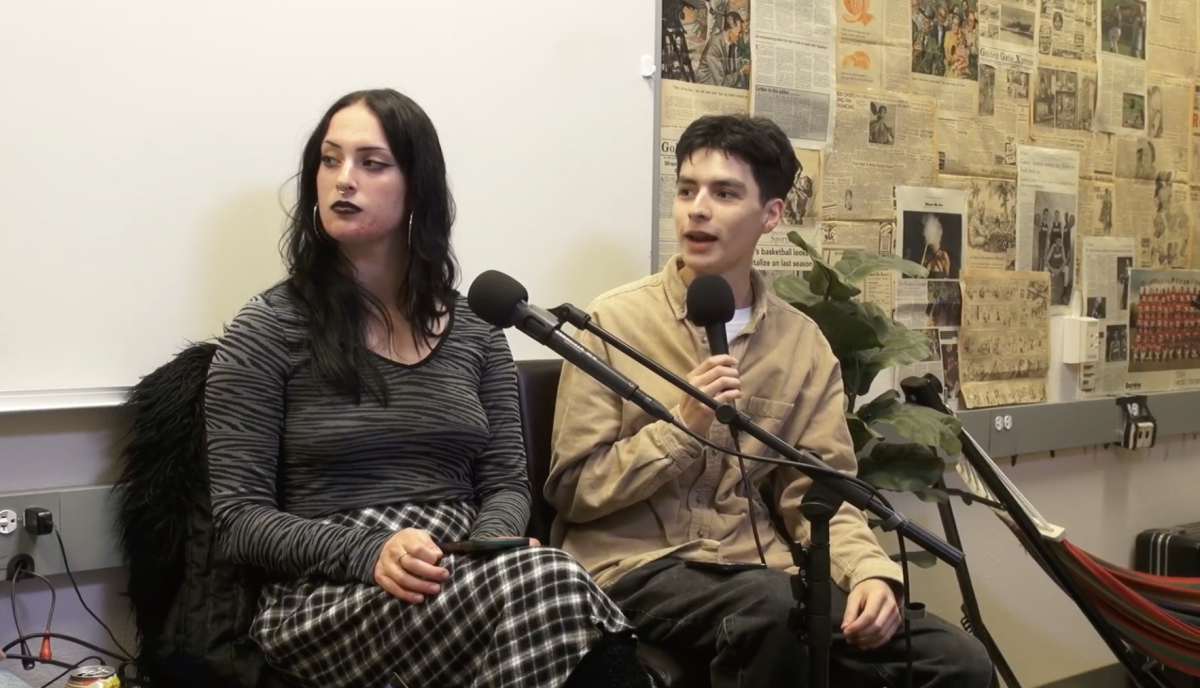
Angelique Persails and Alex Gómez visit neighborhoods like the Mission and Castro to experience it firsthand. Speaking with bar patrons, local businesses, city officials and longtime concertgoers to find out more about the future of going out in San Francisco. From to-go cocktails on Valencia Street to live music and community gatherings, the story examines how the city is trying to revive nightlife and support local businesses while redefining what nightlife culture looks like in the city today.
Podcast Script:
[Angelique Persails] I’m Angelique Persails
[Alex Gomez] and I’m Alex Gómez,
[Angelique Persails] As residents of San Francisco, we’re no stranger to going out on the town.
[Alex Gomez] I’m an avid showgoer myself – especially at DIY venues, and I hit local bars with friends. What about you, Angelique?
[Angelique Persails] Same here! I’m not much of a drinker but I do love the chaotic energy of a local dive bar or venue.
[Alex Gomez] Those are the best – I like to hit the ones in the Mission area the most. There’s actually an entertainment zone along a stretch of Valencia street – essentially, you can purchase alcoholic drinks to-go in that zone! It’s a recent effort to drive up foot traffic & revenue for local businesses.
[Angelique Persails] San Francisco entertainment zones officially began in September 2024, becoming the first city in California to create one. The zones include neighborhoods like the Mission, Folsom, Castro and Pier 39 to name a few. We took a trip out to the Valencia entertainment zone to see how the community is interacting with the entertainment zone’s perks and find out what the future of nightlife and entertainment in SF will look like.
[Angelique Persails] Blondie’s bar is a part of the Valencia Street Entertainment Zone, so we visited the bar to take a look and see what’s going on inside!
[Angelique Persails] Alright, we are drink in hand outside of Blondie’s, they only have small cups so we have half drinks in cups with Valencia stickers on the side. Very cute, very colorful, How’s your drink?
[Alex Gomez] It’s pretty good, it tastes like half of a cocktail for sure. The bartender said something about there’s not a lot of people participating in this area specifically, so maybe that’s why they’re underprepared.
[Alex Gomez] We kept walking along Valencia to see if we spotted anyone else with to-go cups or wristbands, but we had no luck. So, we stopped a few folks walking by to ask if they knew about the Zoning, and their recent nightlife experiences!
[Angelique Persails] Did you know that you can get drinks and bring them out, to drink them on the street, open container?
[Interviewees] Oh, oh! No! We, yeah no, we didn’t know that. No, we didn’t know that. We’ve gotten drinks from a place before that we just assumed that that was like… that they were just doing that, but that we like shouldn’t have been…We didn’t know that it was like a legal thing. A legal thing! Yeah.
[Alex Gomez] It’s true that there’s variety in the kind of nightlife activities you see, especially across different neighborhoods. Valencia street has tons of businesses and events along its main stretch – so does the Castro District, which has its own entertainment zone. I paid a visit, and noticed that it was spread across different blocks, rather than one fixed street. I had a quick chat with Chris Gabriel, General Manager of QBar, a participating business in the heart of the Castro. I asked him whether the entertainment zone has had a direct impact on business.
[Chris Gabriel] I think with the entertainment zones, we are getting a lot more people coming to the neighborhood. I mean, for us, it’s all about foot traffic, you know, we’re trying to catch people who like are just here in the neighborhood.
[Alex Gomez] After a drink or two in Valencia and the Castro, we were still left wondering what the future holds for nightlife in the city.
[Angelique Persails] Ben Van Houten is the Director of Nightlife Initiatives who leads the entertainment zone program. Alex and I sat down with him in City Hall to discuss nightlife and learn more about how the entertainment zones are functioning nearly two years after launching the program.
[Ben Van Houten] You know, the ability to walk a drink outdoors is functionally what the entertainment zone privilege is, but in order to keep people hanging out outdoors there needs to be some content to give them a reason to socialize in that space.
[Angelique Persails] Night markets, live music and block parties hosted within the zones incentivize people to come out and enjoy the activities outside, even if they choose not to drink. The entertainment zones are a part of an ongoing recovery of neighborhood businesses like restaurants and bars.
[Ben Van Houten] It’s giving people that reason to be outdoors together. I think both from a revenue perspective but also just in terms of creating the sorts of places that people want to be, arts and culture is critical.
[Angelique Persails] We asked Ben what feedback he’s received and if the decline in nightlife is having any implications on the entertainment zones.
[Ben Van Houten] I have heard nightlife operators say on more than one occasion that they’re not competing with each other. They’re competing with the screen and the couch.This industry is too important economically, culturally, to our identity as a city. So we need to nurture and support thriving nightlife.
[Angelique Persails] We wanted to speak to someone who has seen nightlife evolve in the Bay over the decades and get their opinion on the recent changes coming from City Hall.
[Angelique Persails] John Loughney is an avid show-goer and music connoisseur who has gone to thousands of shows in the city. We asked him what he thought of the recently established entertainment zones.
[John Loughney] I think that is something that is going to be really good for San Francisco, because San Francisco is just such a welcoming city you could be whoever you are, whatever you look like, however you express yourself, and you’re welcome. So I think creating more opportunities for that is a great way for San Francisco to show off its true colors.
[John Loughney] When covid hit, none of us knew what was going to happen. It was like the end of going out, the end of live music. Once things started to come back, we started to realize there’s never a guaranteed future. So you might as well go and see the music you love, see bands you love, especially while they’re still performing, because you don’t know what will happen in the world.
[John Loughney] There’s a universal human need to go out and be together. One of the great things in a lot of the venues I go to in San Francisco is there’s a real sense of community. There are newer venues popping up all the time. Hopefully that is just more indicative of a constant flow and change, rather than something that would be more negative.