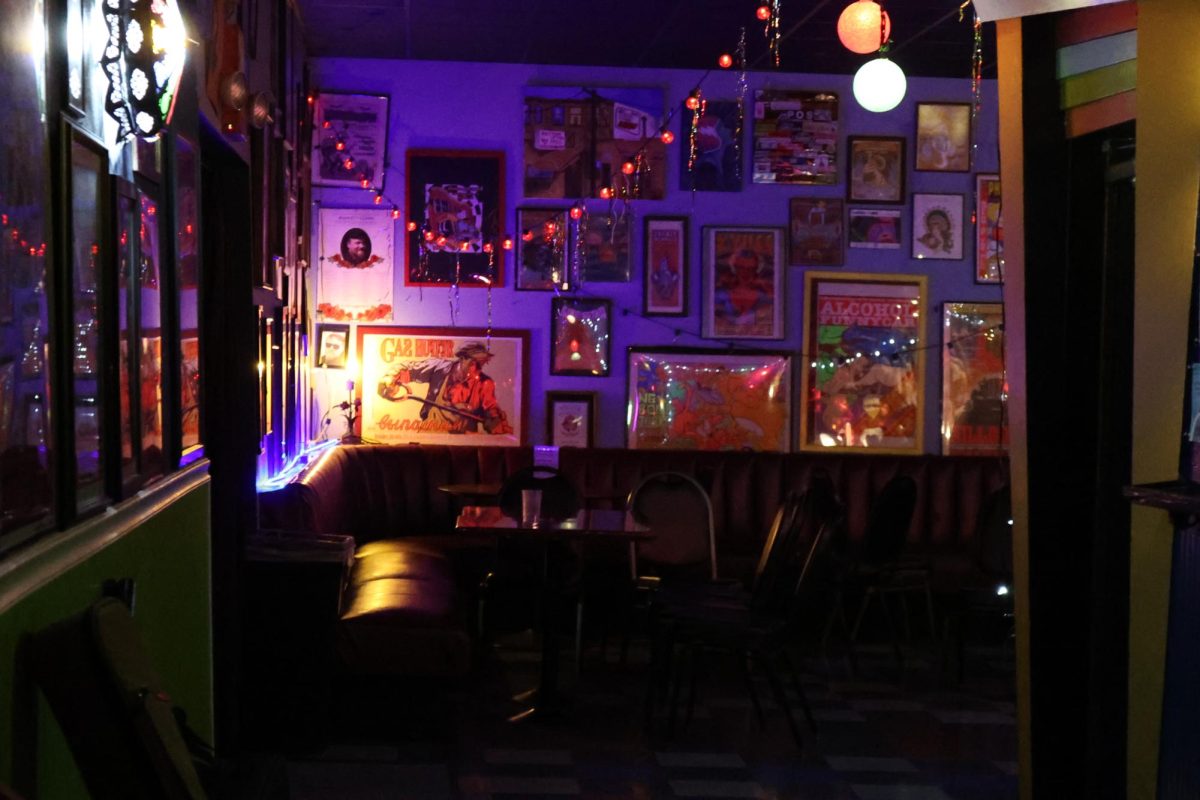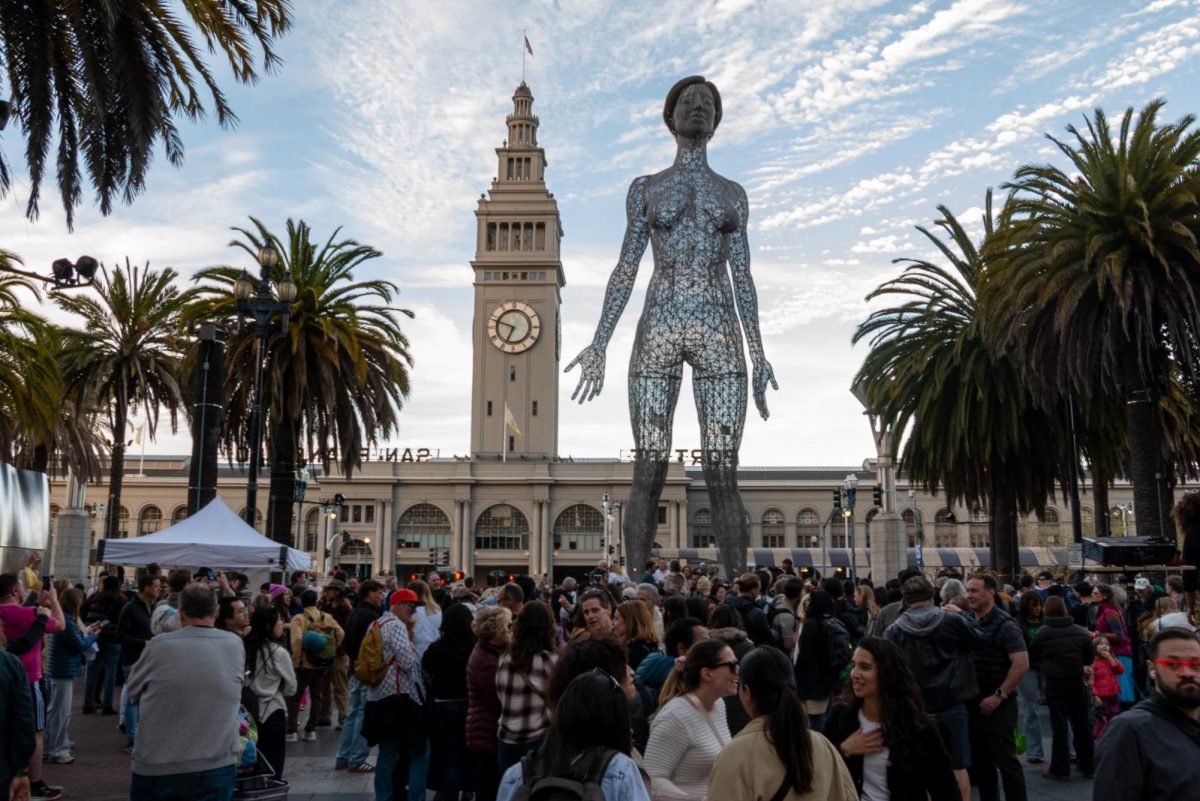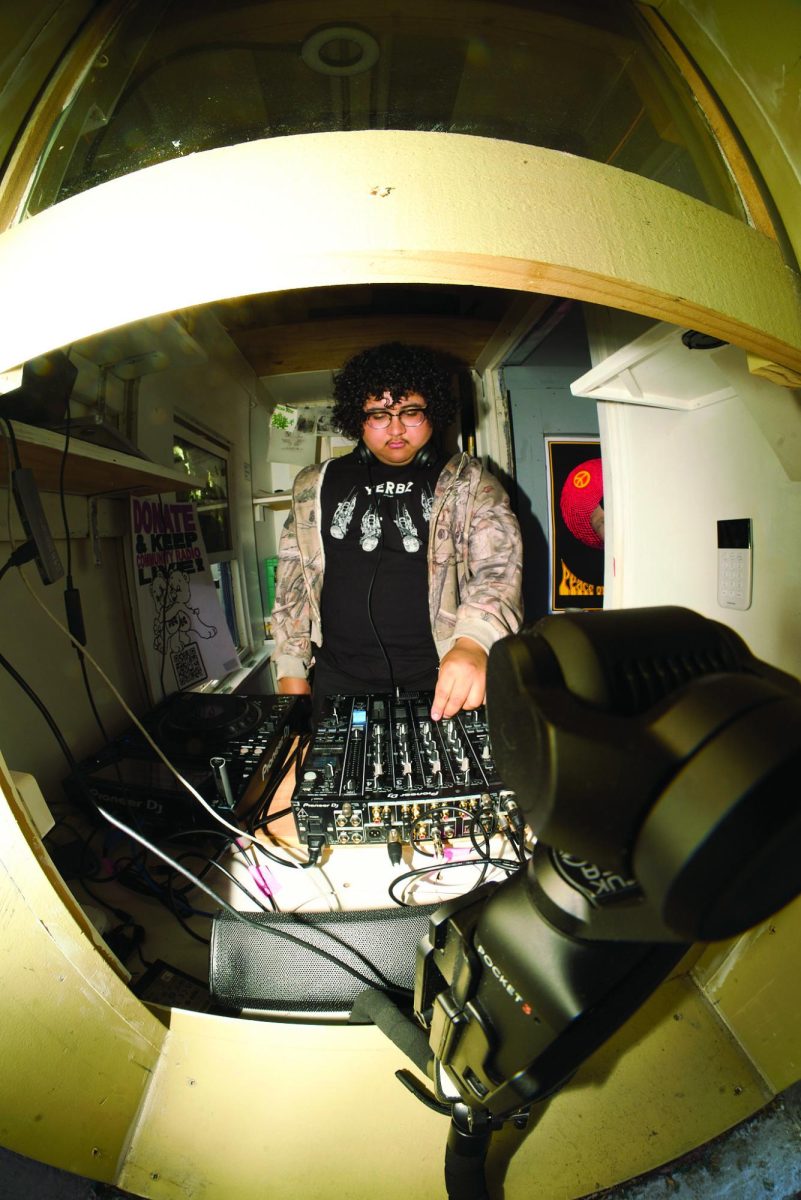
The line to get into Bar Part Time stretches down the block, but once inside, San Francisco’s identity crisis collapses onto a single dance floor. Tech workers, artists, newcomers and longtime locals all dance together filling the same space, their differences less visible under lowlights. In a city where tech and artistic subcultures are often framed as opposing forces, spaces like this offer a glimpse into something more complicated — a music scene where these worlds are becoming increasingly intertwined.
For co-owner Justin Dolezal, that complexity is the heart of the business.
San Francisco’s music scene has been defined by cycles of technological growth and cultural displacement, said Marke Bieschke, culture editor and publisher for 48 Hills. From the dot-com boom era to today, waves of tech companies and tech workers have driven up rent prices, displaced artists and venues — a pattern Bieschke said is repeating with today’s AI surge.
While this dynamic isn’t new, how it plays out today has evolved. In San Francisco, more artists are beginning to work in tech companies to continue to afford city living. Across San Francisco, tech workers and artists are no longer separate groups but more often the same people, sharing the same dance floors and economic realities. What emerges is a scene shaped not just by who shows up, but who can afford to stay and participate in nightlife subcultures.
Between Two Worlds
For many in San Francisco’s music scene, living a “double life” isn’t just common — it’s a necessity. As the cost of living rises, working in tech has become one of the few ways artists can afford to stay in the city and continue creating.
“There’s plenty of people who [work in tech] to be able to pay bills to live in this city,” said Jessica Makhlin, a San Francisco native, musician and music supervisor at Apple.
While she acknowledged tech’s role in rising costs, she also pointed to the ways people working in the industry actively support the scene: organizing events, donating to fundraisers and supporting radio stations.
“I know plenty of friends who might be working at tech companies, but they are high contributors to putting on shows and supporting artists,” she said, underscoring the dichotomy between working in tech and building culture.
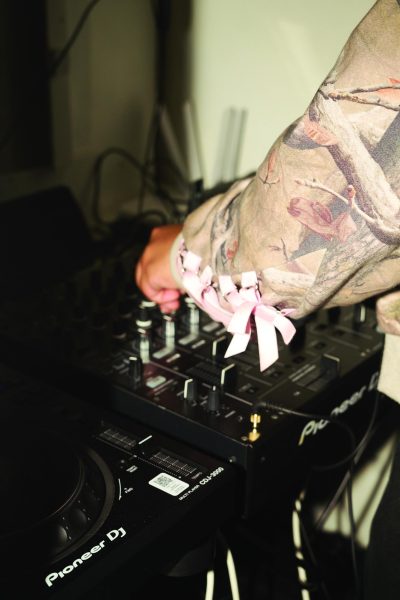
Aakash Malhotra is one of them. By day, he works in tech, marketing for Strava. By night, he throws parties and builds art installations with New Nostalgia, a group that describes itself as a “fake tech company.”
“There’s a lot of people that are in the nightlife scene that work in tech,” Malhotra said, who is also a DJ and producer. “Everyone’s pretty hush-hush about it.”
What started as a satirical fake tech company has evolved into creating experiences centered around human connection and “moments of presence.” For Malhotra, these experiences are meant to reach beyond the scene itself — especially to people working in tech who may not otherwise engage with it.
The Cost of Culture
From the countercultural movements of the 1960s to the early internet “dot-com” boom of the late 1990s, new money has repeatedly arrived and raised rents, pushing out artists who define the city’s cultural identity. “It ended up pricing out the very people and venues that had led to its rise,” said Bieschke about the boom.
According to a Mission Local article analyzing data from Apartment List, in 2019, the average cost of one-bedroom apartments in San Francisco remained about $3,000. In 2021, it dipped to around $2,200. Rent costs have steadily climbed back toward $3,000 reflecting the boom and bust cycle, which Max Blue, a writer for the San Francisco Examiner, said is directly tied to the waves of tech growth. For artists, that volatility often means relying on full-time work outside their artistic passions to stay in the city — or leaving it all together.
Blue’s “State of the Arts” column, attributes rising rent as the major pressure for artists and venues. Longtime venues have shuttered or announced closure, including Thee Parkside and Bottom of the Hill, anchors for San Francisco’s punk and DIY communities.
“Rising rent prices — that has never been friendly to artists,” said Blue. “I think that artists have laid a lot of the blame for the unaffordability of the Bay Area, especially over the last 20 to 26 years, at the feet of the tech sector.”
San Francisco is now the most expensive rental market in the country, with median rents for one bedroom exceeding $3,000 a month. A one-bedroom in Los Angeles, however, is about $2,700.
Beyond the Job Description
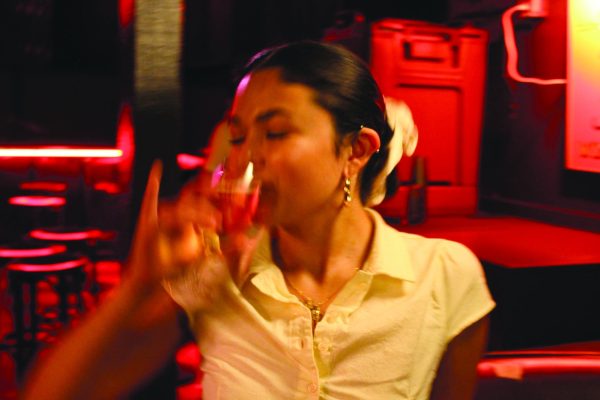
For Perry Wong Costa, the divide between tech and the music scene isn’t as black and white. As a San Francisco native and product designer at Stripe, she spends most weekends at shows, often surrounded by the same DJs, producers and artists who make up the city’s nightlife community.
Wong Costa acknowledged the criticism often directed at tech employees, particularly around rising costs and displacement, but said the reality is more complicated. She noted how, at these shows, conversations about work rarely come up.
“As a human in this world, being in tech is not part of my identity,” she said. “It’s just a job to me.”
The divide shaping San Francisco’s music scene isn’t as simple as tech versus music. While individuals move between worlds — building culture while working in tech to afford to do so — the forces shaping the scene are far larger than any one person.