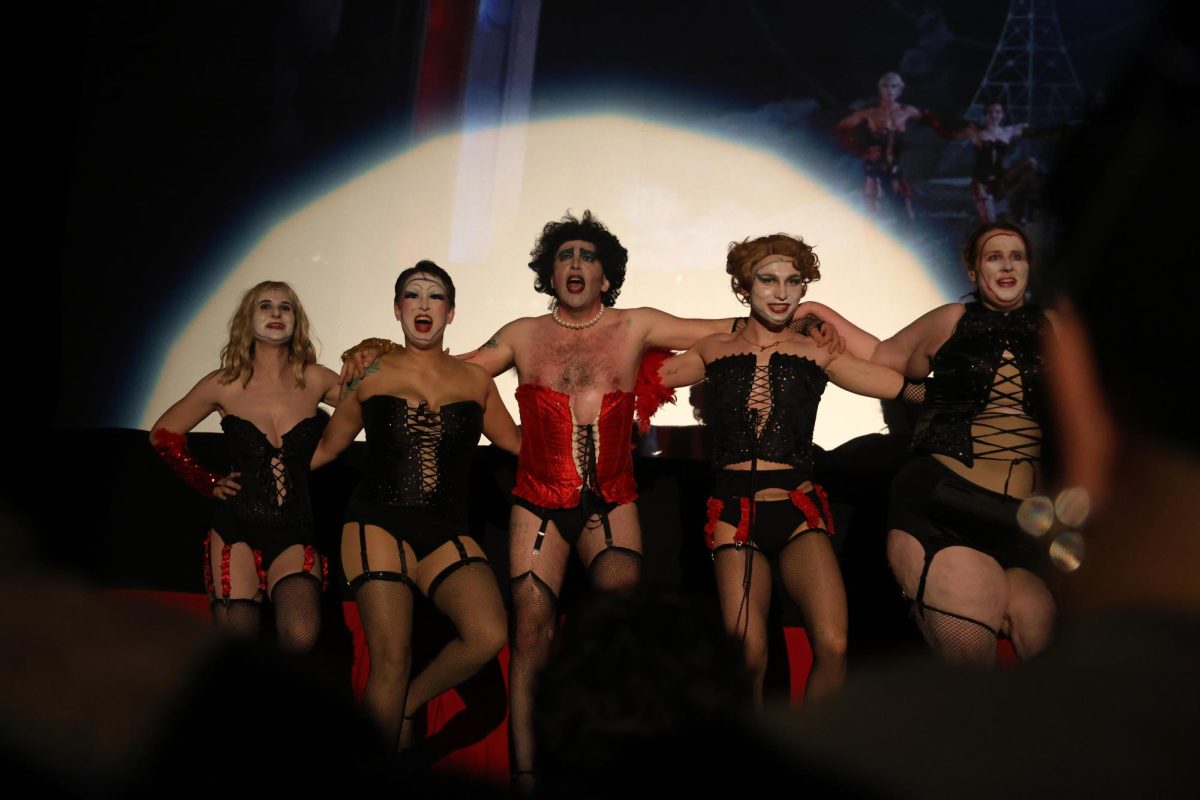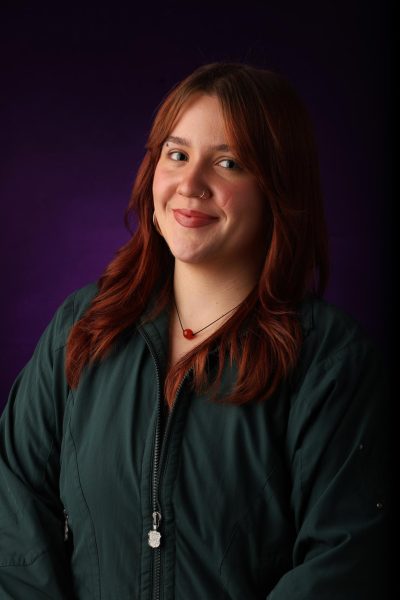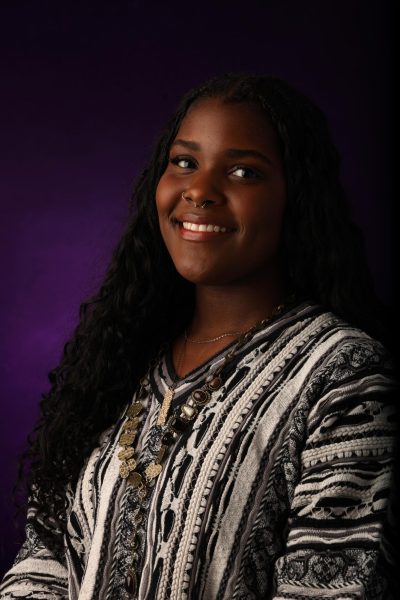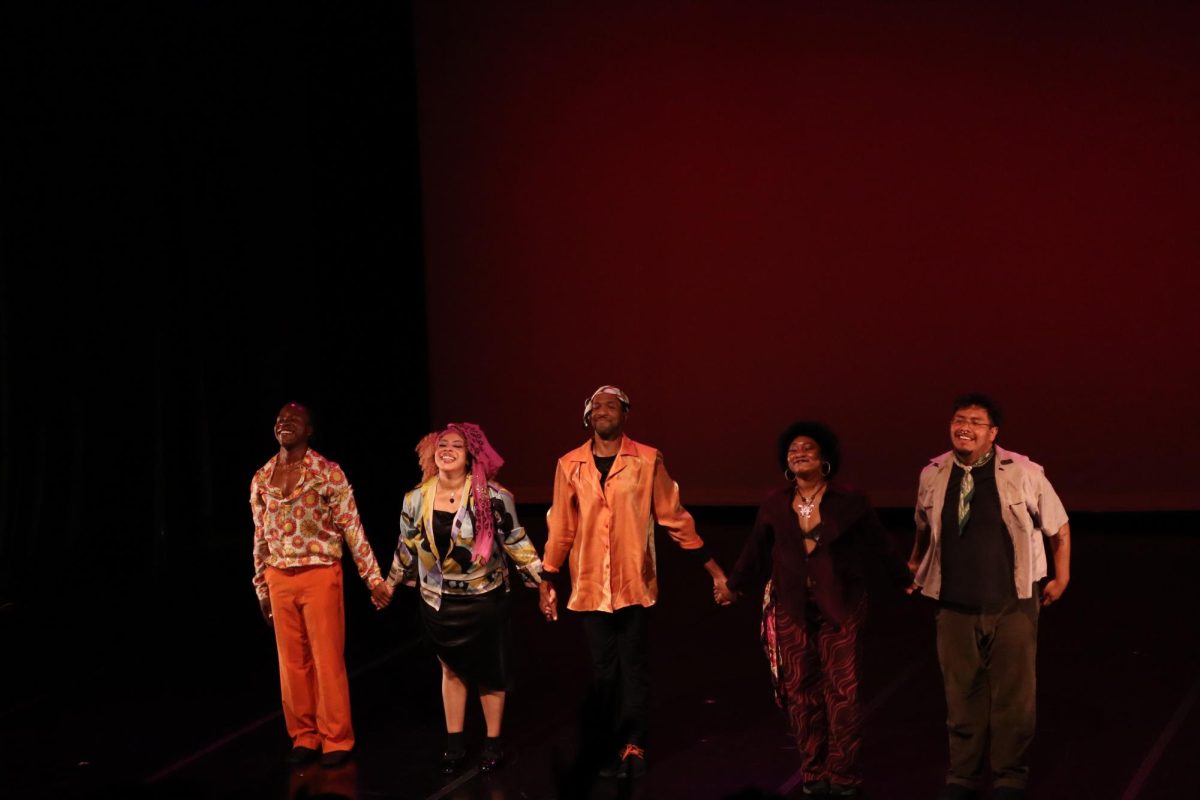
“Love! Community! To be left alone! Acceptance!” the audience yells, as choreographer and performer Isha Tobis Clarke asks what the crowd hoped to gain from the night’s performances. The audience stands at her command, marching and stomping their feet to the beat of the music with the dancers on stage.
This was the scene last month at the Black Choreographers Festival (BCF). Held at the Dance Mission Theater, the BCF is a collective of performers fighting for cultural perseverance. The annual festival spotlights artists who are constantly evolving and working toward making the dance community more inclusive. This February, the festival celebrated its 21st anniversary, continuing its long-standing tradition of uplifting Black voices.
Clarke, a choreographer invited to BCF, made their debut with their performance titled “We,” where she asked for audience participation and used the African diaspora to build connections through dance. Dances of the African diaspora pull from the diverse history of African descendants worldwide and features a range of traditional movements. Blending west and central African cultural roots with influences from the Caribbean, Brazil and Europe.
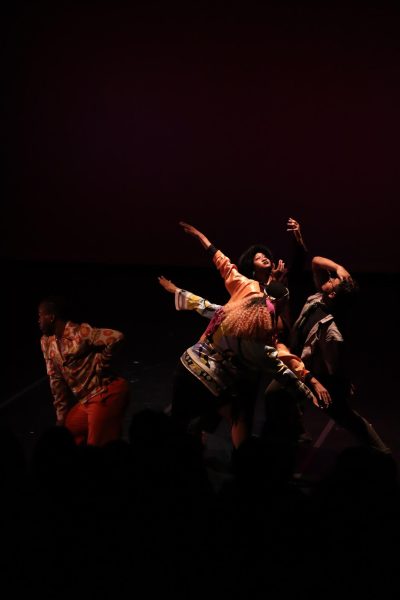
On stage, Tobis Clarke said that club dances are rooted in the traditions of the African diaspora, and the African diaspora is rooted in community.
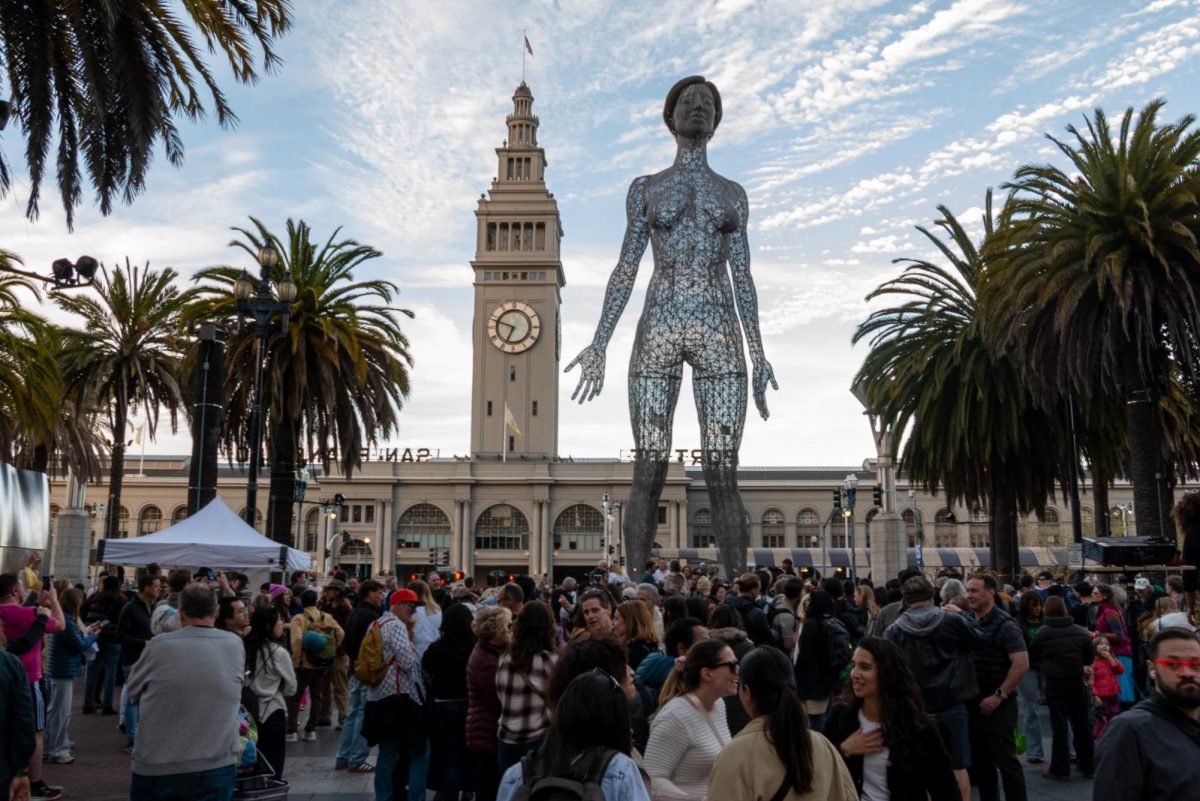
The Bay Area is no stranger to social justice movements. It’s been home to LGBTQ+ and civil rights protests in the past and current day demonstrations, like the 2025 “No Kings” protest on Market Street, which attracted a crowd of about 50,000. The Bay’s always been a hub for activists looking to make a change. Armed on the frontlines of these battles are the city’s most influential crusaders — artists, dancers and choreographers — who have torn down the traditional boundaries of their art form to share a larger message with their communities.
The Black Panther Party, an activist organization that originated in Oakland, was one of the first groups to use art as a vehicle for political education through graphics, music, dance and even fashion. Another beacon for social change is San Francisco’s Castro District, which was central to queer visibility and survival in the 1960s.
But today, new challenges, such as skyrocketing rents and housing insecurity, affect marginalized groups throughout the city. Anne Bluethenthal, the founder of Skywatchers, a community arts collaboration, noted that this displacement has pushed artists out of the neighborhoods that once nurtured their experimental scenes of expression.
In May 2025 the Trump administration sought to eliminate funding for the National Endowment for the Arts (NEA), an independent federal agency, from the federal budget. Congress later restored the budget but there is still a clear threat to the arts. Since its creation in 1965, the NEA has been responsible for a total of roughly $7 billion dollars worth of grants, which has supported audiences that do not have access to arts programming.
“I think right now we’re in a new level of crisis with the Trump administration, and we’re in a deep level of threat — I would say the deepest feelings of threat, as an artist, I’ve ever felt,” said Jo Kreiter, the founder and artistic director of Flyaway Productions, a dance organization grounded in creating justice driven performances in unlikely places such as sidewalks lined with unhoused communities, or the sides of buildings above the streets.

Kreiter, noted that there’s a lack of funding for community-based, people of color and women-led organizations. This is due to the separation between these expressions of art and the more high-class, inaccessible platforms such as the ballet or opera.
“There’s funding cuts and then there’s lots and lots of decisions made that undo some of the advances that we’ve all made in the last 10 years — really the last five years I would say — you know around no longer prioritizing artists of color, no longer prioritizing women and women working to support women’s bodies,” says Kreiter.
NAKA Dance Theater is one of the many culturally-focused dance organizations in the Bay that focuses on racial injustice and emphasizes working with and supporting the Latinx transgender community. They also support the local Mexican-American and Japanese-American communities and San Francisco’s community of Argentine tango dancers.
“Creative folks in San Francisco are so good at pushing boundaries, breaking things to see what will happen. Protests are made up of moving bodies taking over public spaces. People putting their bodies in the way of injustice, refusing to move,” stated Debby Kajiyama, the co-director at NAKA Dance Theater, in an email.
Artists in this industry are continuously working to make dance more community-based and reflective of lived experiences.
Skywatchers, a performing arts program based in San Francisco’s Tenderloin District was founded by Bluethenthal in 2011. “I wanted to leave the high production dance scene and see what I could do to make art that centered community voices and bodies, to make art that was ‘of, by, and for’ Tenderloin residents,” said Bluethenthal.
She did this by putting herself in the neighborhood and building relationships with its residents to reflect their voices, needs and stories.
“Relationships are the first site of social change, centering community means that I’m lending my artistic expertise and access that I had gained in my decades of arts production. My guidepost was to follow the will of the community,” said Bluethenthal.
Despite these threats, the community is not wavering in its commitment to their social driven art forms. In order to stay alive and recognized, they’re continuously seeking out new platforms, stages and audiences. Sustained support and viewership is one leading factor in their success as they strive to garner the same respect as traditional dance forms.