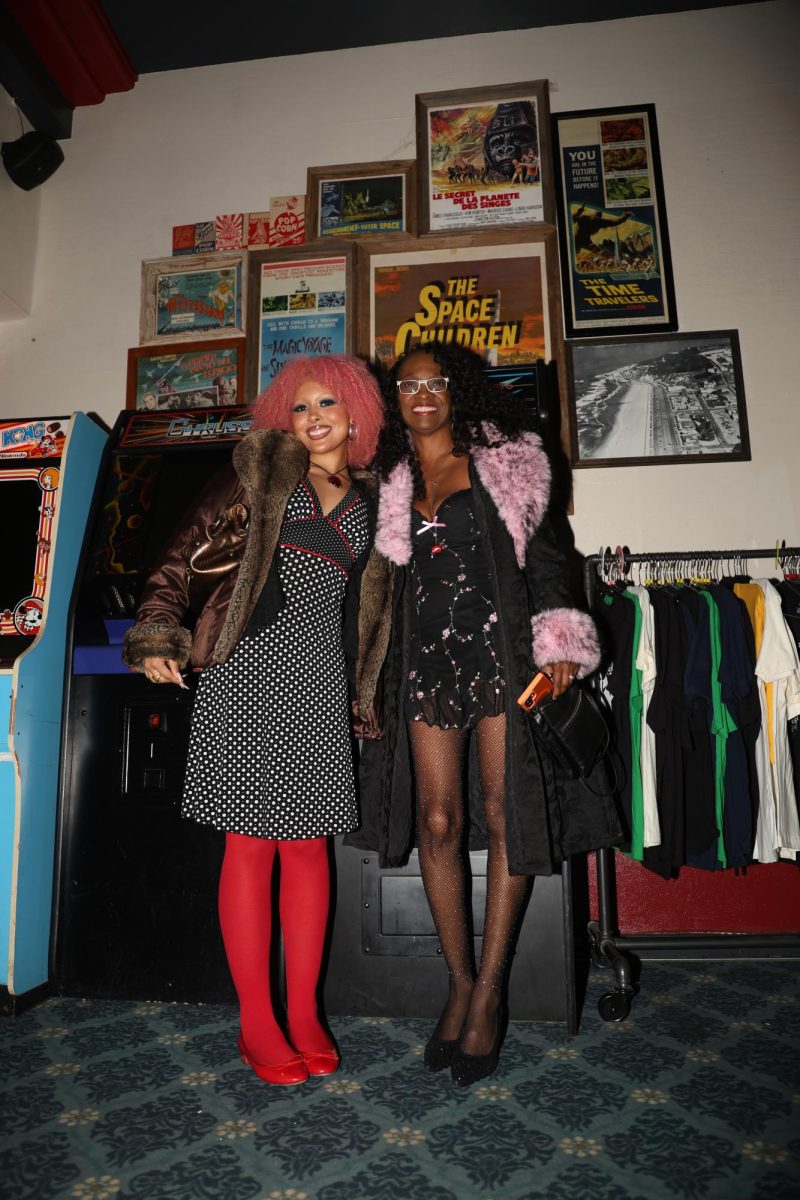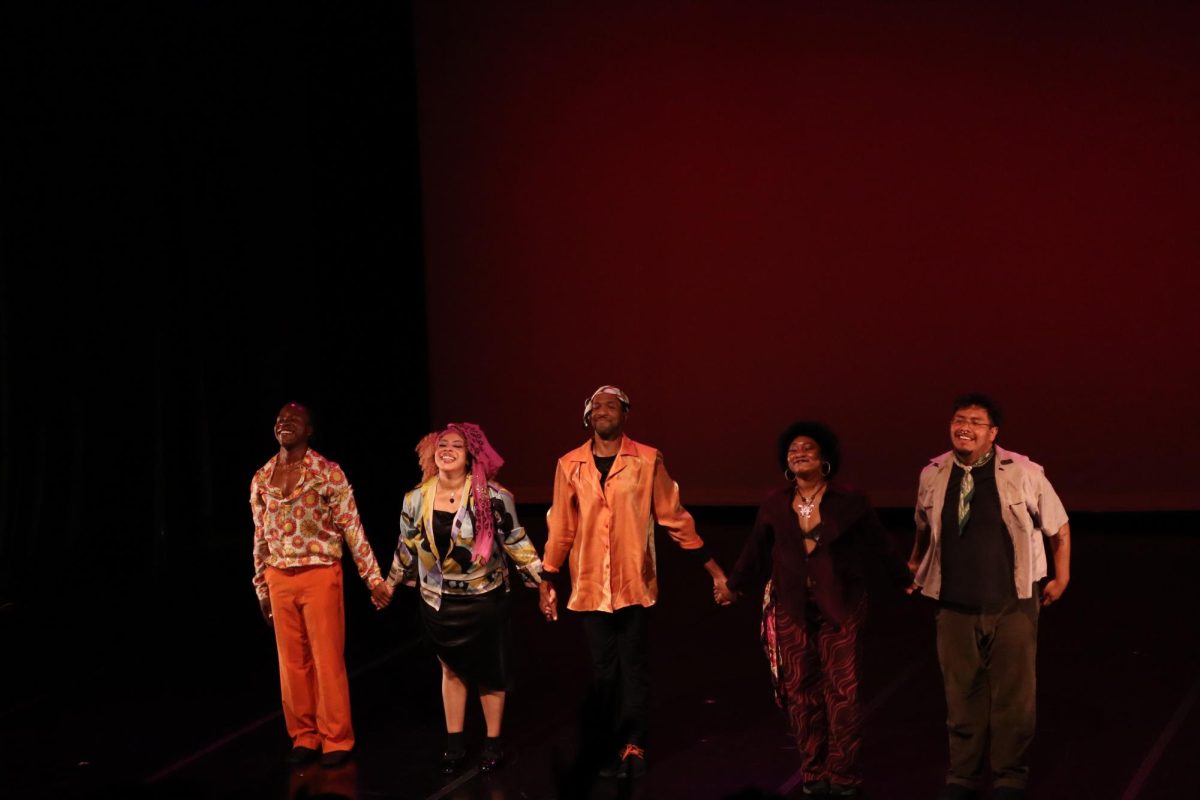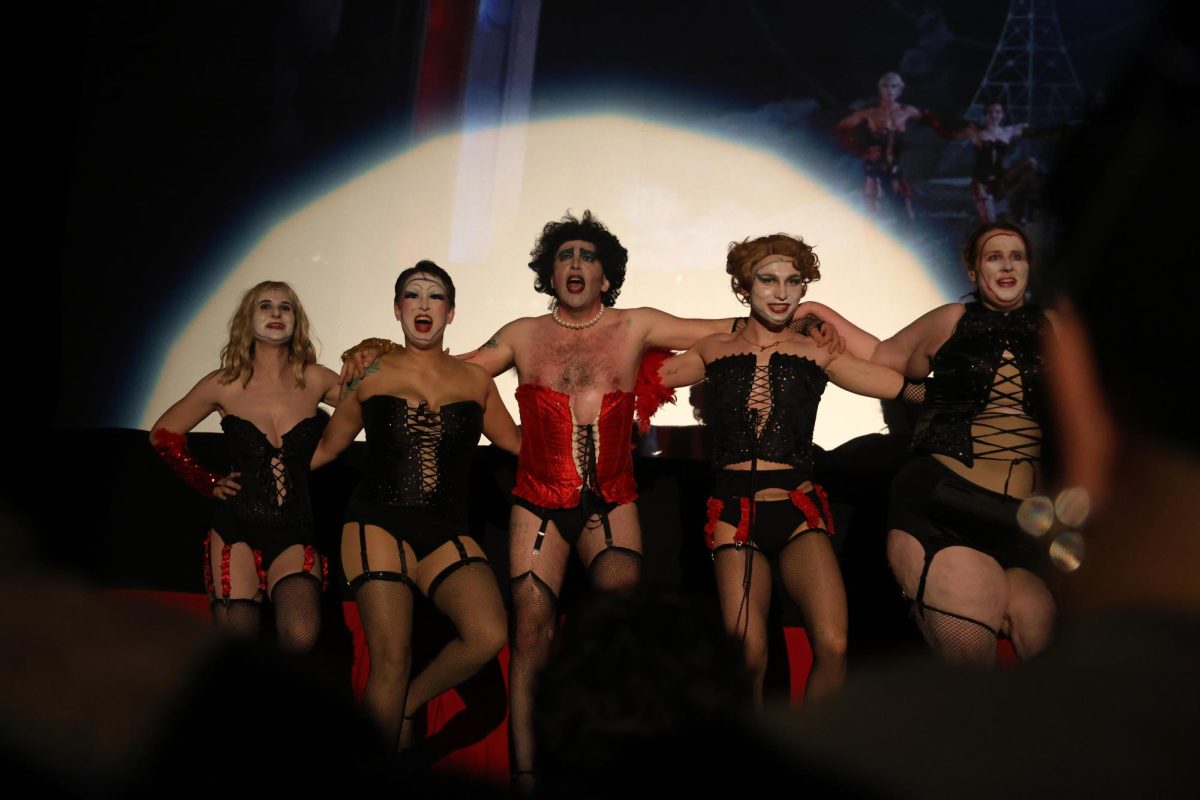
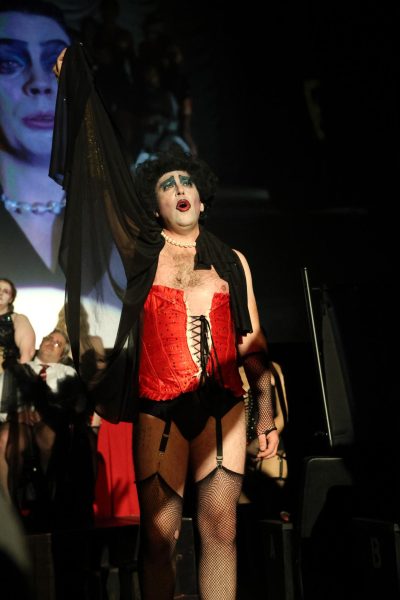
Performers wearing fishnets and corsets dance on stage in front of a screen playing “The Rocky Horror Picture Show,” leading the audience through songs they all know by heart. In the dark, fans throw popcorn and blow bubbles, calling out jokes that echo over the crowd.
The monthly showing of “Rocky Horror” is one of Balboa Theatre’s most theatrical events and has been performed there for more than 30 years by the Bawdy Caste, a local “Rocky Horror” shadow cast. The show turns the audience into a third character, transforming a typical moviegoing experience into a live, communal ritual.
Outside, rain falls on a near-empty Balboa Street, but inside, the theater’s packed and full of life.
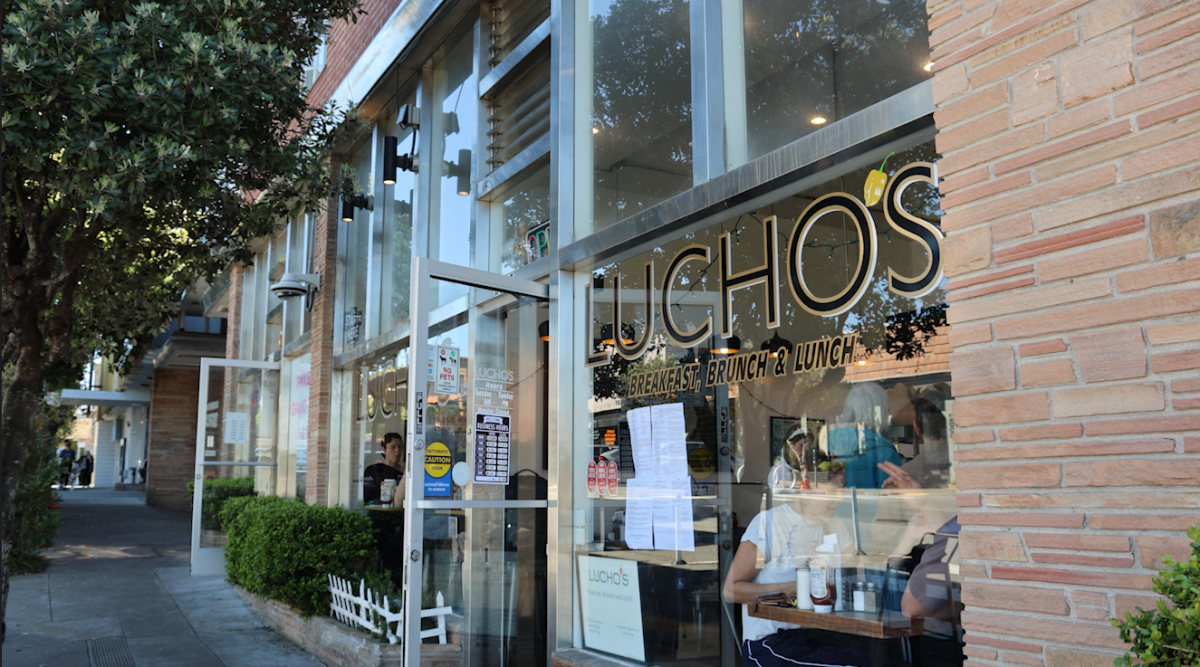
As box office revenues remain less than half of their peak in 2002, according to 2026 Pew Research Center data, many movie theatres today struggle to stay relevant in a streaming-first world. The Balboa Theatre, under CinemaSFBay, became a nonprofit this April, as it reached its 100th year in business, reimagining what a typical movie theater can be.
By no longer solely relying on ticket sales, and instead gaining access to grants, donations and sponsorships, the theatre can now prioritize community-driven programming such as repertory screenings and special events.
Scroll through the map or click here to learn about past and present movie theaters in San Francisco.
A Theater At Risk
For decades, going to the movies was a routine part of life. But now, habits have shifted. Many viewers weigh cost and convenience, opting to stay home or wait for films to reach streaming platforms just weeks after their theatrical release.
Over the past century, more than 170 movie theaters have operated across San Francisco. Today, only about half a dozen are actively showing films. Most have been converted into gyms, retail spaces or demolished entirely. Marquees that once lit up neighborhood streets now sit dark and vacant, collecting dust.

The Balboa’s struggle isn’t unique. Nationwide, moviegoing has declined. According to a survey done by the Pew Research Center, in 2025, about half of U.S. adults reported visiting a movie theater at least once in the past year. In 2019, however, according to the Motion Picture Association’s “2019 THEME Report,” about 76% of adults visited a theatre at least once.
By 2023, after the pandemic restrictions were lifted, attendance at the Balboa had not fully recovered.
“We were at risk of closing,” said Adam Bergeron, owner of the Balboa. “These little businesses like this, you run on such slim margins anyway. Even if business is down 10%, that’s such a huge number.”
That wasn’t the first time the threat of closure loomed over the Balboa. In 2001, Gary Meyer, former owner of the Balboa and SF State alum, took over the theater and kept it running through the release of DVDs.
“The challenges, as they always have been, are to find ways to keep audiences coming to the movies and not just the blockbusters,” said Meyer.
Before streaming, explained Meyer, moviegoing was a regular habit. “[People] would go weekly and see what was playing. … Granted, the price of going to the movies was a lot less in those days than it is now.”
When Meyer first took over in 2001, ticket prices were under $10, with discounted tickets for seniors and children. Today, Balboa’s tickets are $15, while prices at larger chains can cost three times more — AMC IMAX screenings, for example, can reach up to $31. For the price of a single ticket, viewers can pay for a month of streaming services that offer hundreds of films, such as Netflix. What was once a casual night out has become something people check their bank balances for.
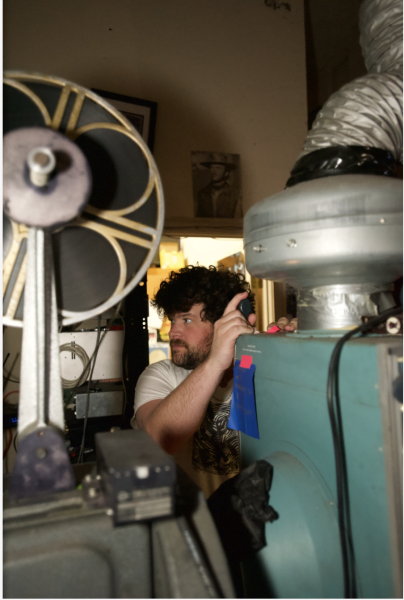
“Since the pandemic, a lot of those people just stopped going to the movies,” said Harry Nordlinger, the Balboa’s projectionist and programmer.
Beyond the Blockbuster
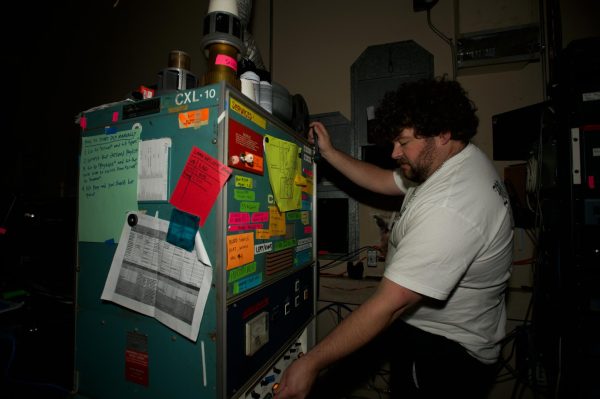
Before the pandemic, the Balboa relied heavily on family and blockbuster releases — Marvel films, Star Wars and other major studio releases drew in consistent crowds. Today, Nordlinger said that the audience demographic skews toward film lovers drawn to cult classics, repertory screenings and foreign films.
In response, big-budget releases now only make up a small portion of the programming, giving way to curated programs like Hitchcock Fest — a multi-day showcase of Alfred Hitchcock films, including 35mm screenings — alongside live comedy nights, anime screenings, cult classics and community-led events.
On any given night, the theater could be playing a Japanese arthouse film, a 35mm screening of “Ferris Bueller’s Day Off” or a midnight showing of “Rocky Horror.”
But reimagining its programming is only part of the solution. The Balboa’s transition into nonprofit ownership reshaped how the theater both operates and sustains itself.
That change hasn’t just altered what plays on screen, but the identity of the theater itself. Where once the Balboa competed with corporate theaters for blockbuster audiences, it now leans into what makes it distinct: providing a curated, local experience.
For Nordlinger, a self-described film nerd, the shift has opened up endless possibilities.
“We’ve shown movies that no other theater in the city will show, and that’s something that people are willing to travel for,” he said.
However, that kind of programming wouldn’t be possible under a traditional, profit-driven approach.
“Without that nonprofit, they’re going to go under,” said Robert Mailer Anderson, an author and president of CinemaSFBay’s board of directors. “They will be gyms, or they’ll be defunct buildings. They go from being anchor businesses to eyesores, detriments to the whole neighborhood.”
Unlike traditional theaters that heavily rely on ticket and concession sales, nonprofit cinemas like the Balboa are supported by a mix of grants, private donors and community partners. Under CinemaSFBay, that support allows the theater to prioritize programming and community engagement over profit.
This includes partnerships and charity events with local organizations such as City Surf Project, as well as live performances and screenings that cater toward the Inner Richmond’s community.
More than Just Movies
The Balboa surviving pecuniary downturns for a century is more than just economics to Julie Lindow, editor of “Left After Dark: Portraits of San Francisco Movie Theaters” and SF State alum.
Neighborhood cinemas, said Lindow, have long functioned as informal gathering spaces. Places where people gathered not just to watch films, but to connect — see familiar faces, share reactions and participate in a collective experience.
“Movie theaters were people’s living rooms,” said Lindow. Today, movies are watched at home — on laptops, TVs or phones — often alone, and often with viewers pausing, scrolling or multitasking.
“It’s amazing how watching a film with community involves more than just sitting in the dark together,” she said. “You might not think a particular part of the film is funny, but other people in the audience will laugh, and so it adds a whole other dimension to your own experience of the film.”
The loss of neighborhood theaters isn’t just about entertainment, it’s about the erosion of shared spaces. As metropolitan cities grow more expensive and fragmented, opportunities for in-person connection are becoming increasingly rare.
“I feel like we’re losing a lot of these beautiful indie theaters,” said Serena LaMar, a first-time visitor and attendee at the Balboa’s “Rocky Horror.” “I think it’s important for films like cult classics and less known foreign films to be shown in theaters like this.”
During the screening of “Rocky Horror,” audience members laughed, cheered and recited the words — it was clear many of them had been here before, returning month after month for the same performance.
“It’s such a good community hub,” said Siobhan Taylor, president of the “Rocky Horror” cast. “Keeping a home for the arts, for the weirdos, for fun in San Francisco.”