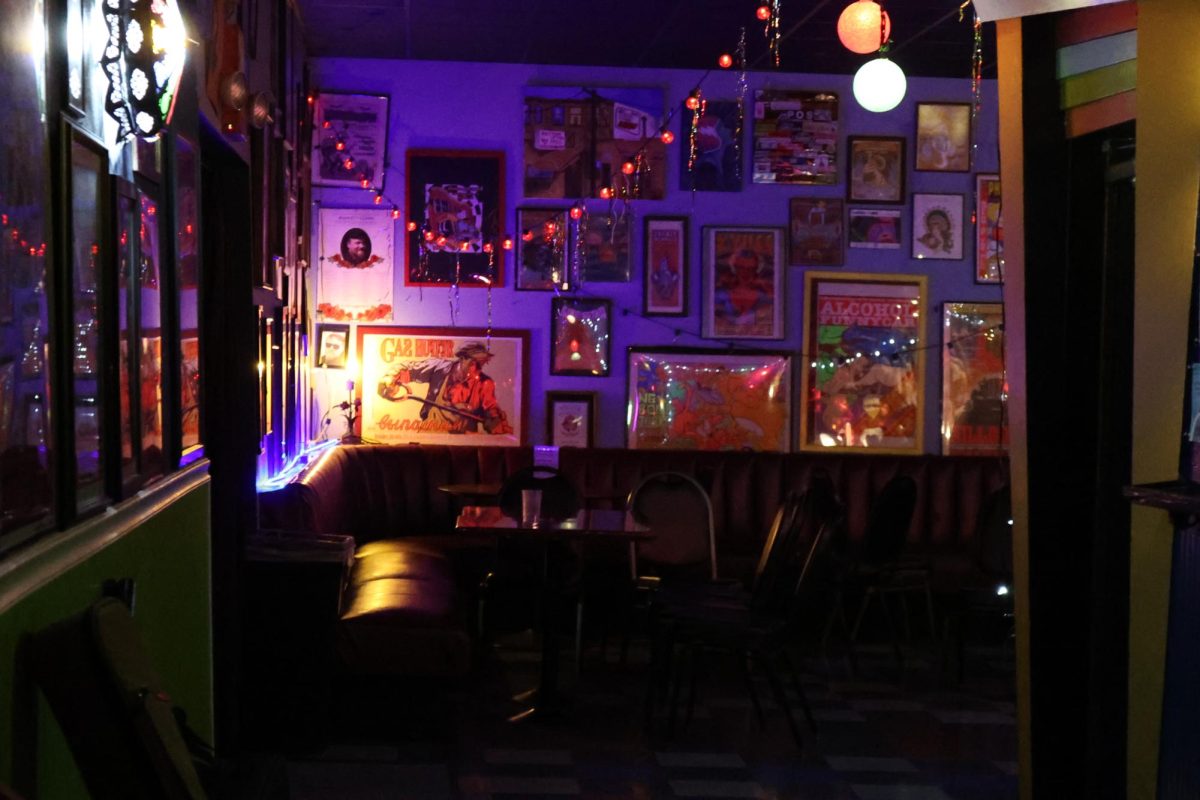
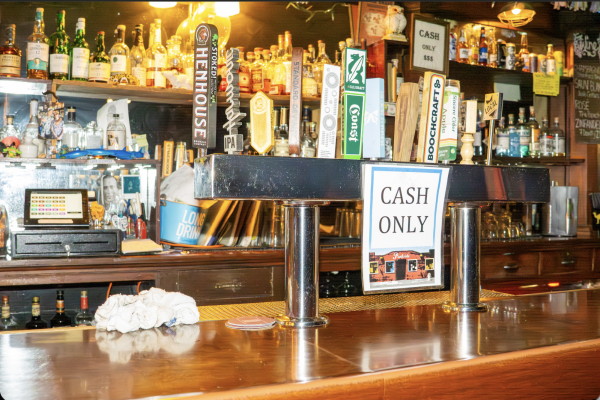
On any given night in San Francisco, the inviting atmosphere of independently owned venues provides locals the space to come together, listen to music and enjoy community. At Bottom of the Hill, a live music venue in Potrero Hill, the iconic neon sign and bass thudding through the walls lets passersby know that they are open for business. Inside people stand shoulder to shoulder as conversations mix with the music.
In 1991, four San Franciscans — Tim Benetti, Ramona Downey, Kathleen Owen and later Lynn Schwarz — saw an opportunity to fill a gap in the local music scene and provide a welcoming space for local artists and fans. Bottom of the Hill has hosted artists like The Yeah Yeah Yeahs, Pavement, The Beastie Boys, The Flaming Lips, The White Stripes and around 14,000 other artists who have taken to the stage.
After nearly 35 years of business, their doors will close at the end of 2026, becoming one of around five community-driven spaces to say its final goodbye in the past few years.
Garcia, a member of local band The Secretary, recently played at Bottom of the Hill for the first time after avidly attending shows there for more than 12 years. He says that art makes life worth living and is what makes the city special.
“We come here because there’s a lot of history with art, you know — here — and that’s being slowly pushed out,” said Oscar Garcia.
Ricky Rodriguez has been attending shows at Bottom of the Hill for most of his adult life and said the music scene in the city is dying.
“We’re trying to make this into something that’s more than just hanging out,” said Rodgriguez. “It’s a platform where you’re actually able to connect with people; talk about real things. It makes you feel at home, it makes you feel welcome, it makes you feel safe.”
For Rodriguez, independent venues support political and cultural movements — specifically highlighting “Abolish ICE” and “Free Palestine” — in its ability to connect and inform people about these issues, another reason why losing these spaces is a hit to the community.
“I wish that there was more community pushing toward keeping this going, and it’s getting smaller, little by little.”
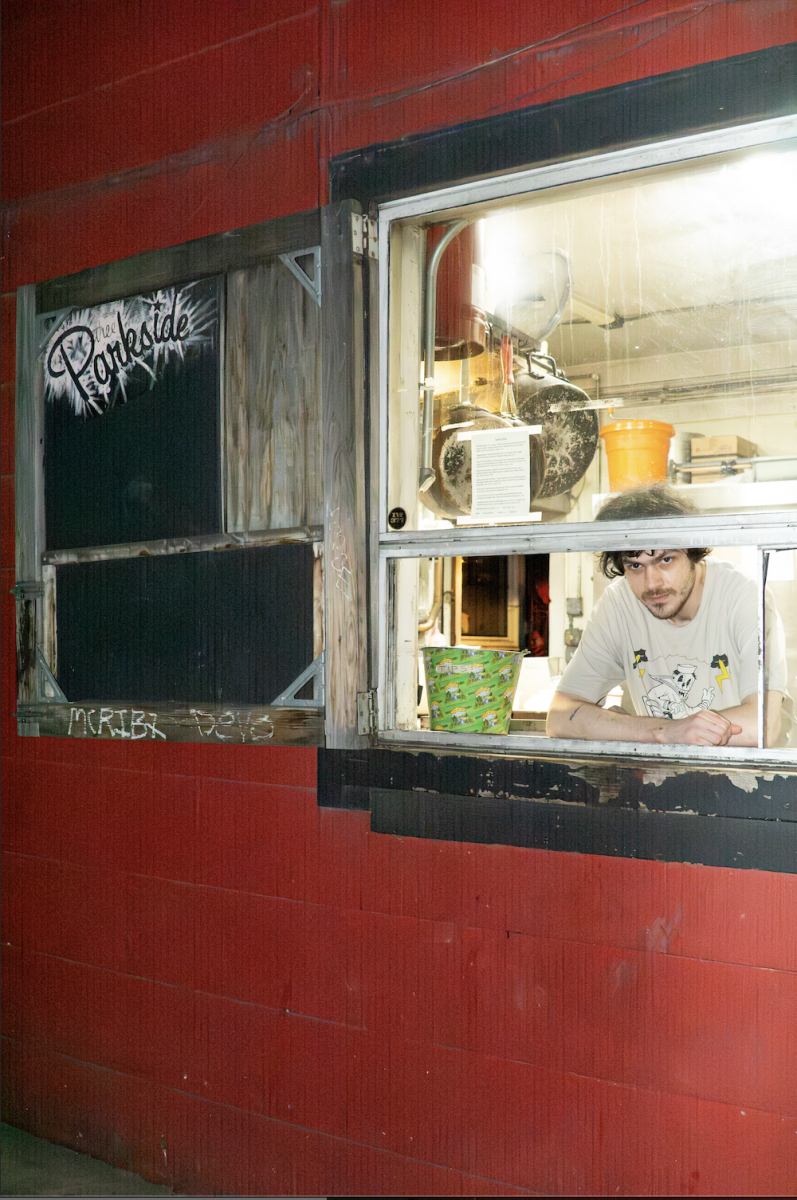
Following the announcement of Bottom of the Hill’s closure came the news that Thee Parkside, a bar and venue known to host punk shows, will also be closing after 25 years of business. This came soon after Thee Parkside was purchased by new owners last year for about $1.33 million with plans to convert the building into housing.
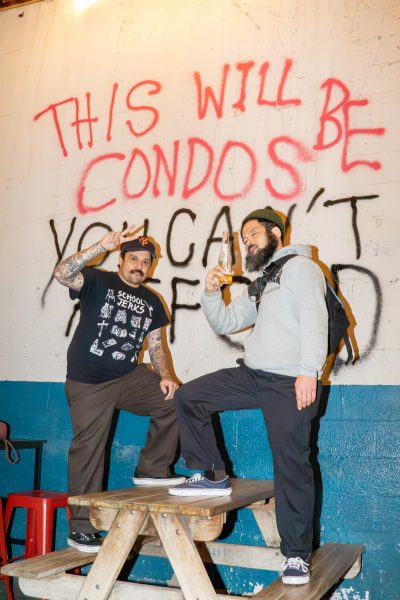
Plastered on the wall of Thee Parkside is a spray-painted statement, “THIS WILL BE CONDOS YOU CAN’T AFFORD!”

Thrillhouse Records, another local venue known to host punk shows, posted via their Instagram: “The brutality of capitalism has left SF with a limited amount of places to throw punk shows. And anytime our handful of show spaces shrinks, we really feel it.”
The impact of independently owned spaces disappearing is felt all over the Bay Area. For Anastasia Mecum, a first time attendee at Bottom of the Hill, experiencing the loss of a local venue is all too familiar after witnessing the closure of People’s Park, a historic gathering place in Berkeley, in 2024.
“Venues like this is just so hard to come by,” Mecum said. “Especially in this day and age, it’s really upsetting that we don’t have that many venues supporting local artists and supporting art like this.”
Carpool Tunnel, a San Francisco-based band, believes independently owned spaces in the city are important for creating a community of like-minded people who want to create art.
The band has a long-standing connection with Bottom of the Hill, where their music video “Empty Faces” was filmed. They’ll say goodbye to the beloved venue with a show there this February.
“There’s only so many DIY spaces in the city that are consistent and stick around long enough,” said Junior Reed, the band’s drummer. The band has played many shows at local venues since their start in 2017, highlighting how important smaller venues have been to their careers.
Ben Koppenjan, the band’s vocalist and guitarist, emphasizes that, unlike larger venues, like Live Nation, smaller venues have fostered an environment that allows local bands to play for an ample audience, while providing people an engaging way to go to shows, make friends and meet people in the music genre.
Independently owned venues may be disappearing, possibly leaving locals in need of a space that fosters community through arts and resistance.
“I just appreciate how these venues give kids a chance and, honestly, keep them out of trouble and start bands,” said Kalani Faith, the bassist of Carpool Tunnel. “We need more smaller venues like that because it just makes arts accessible, and it keeps kids doing things.”