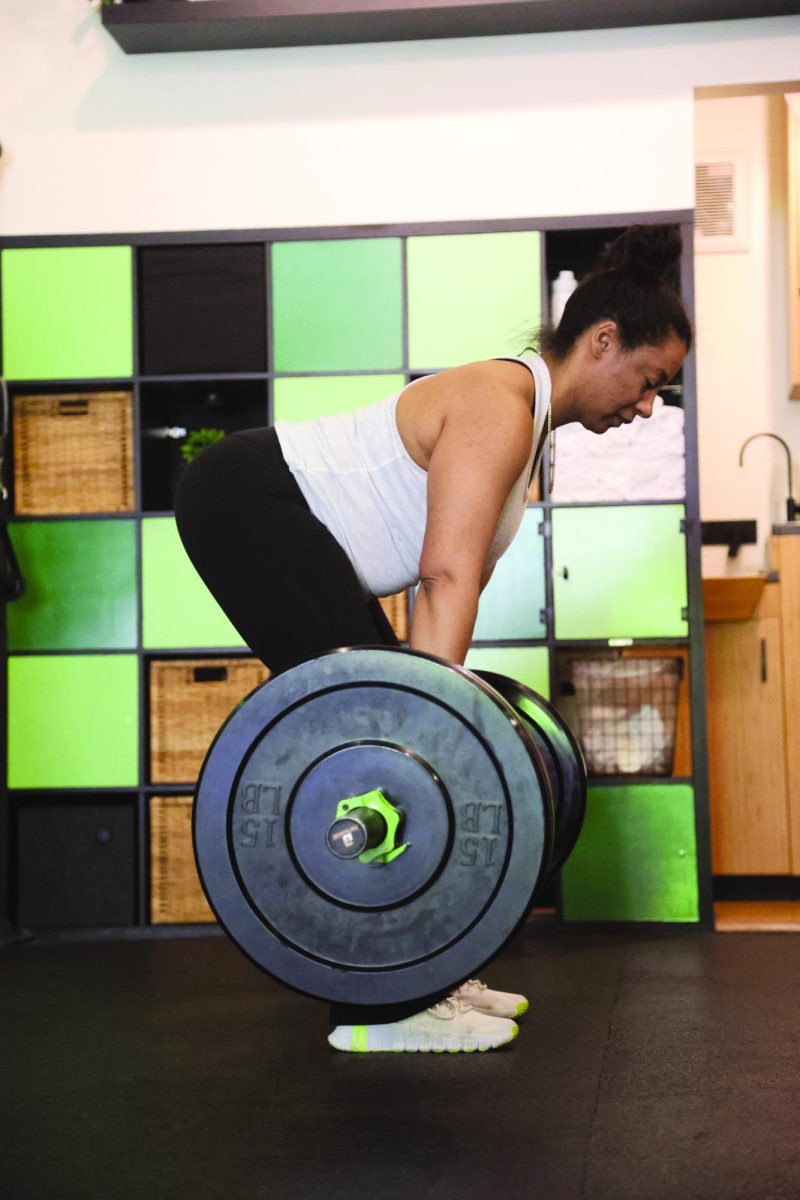
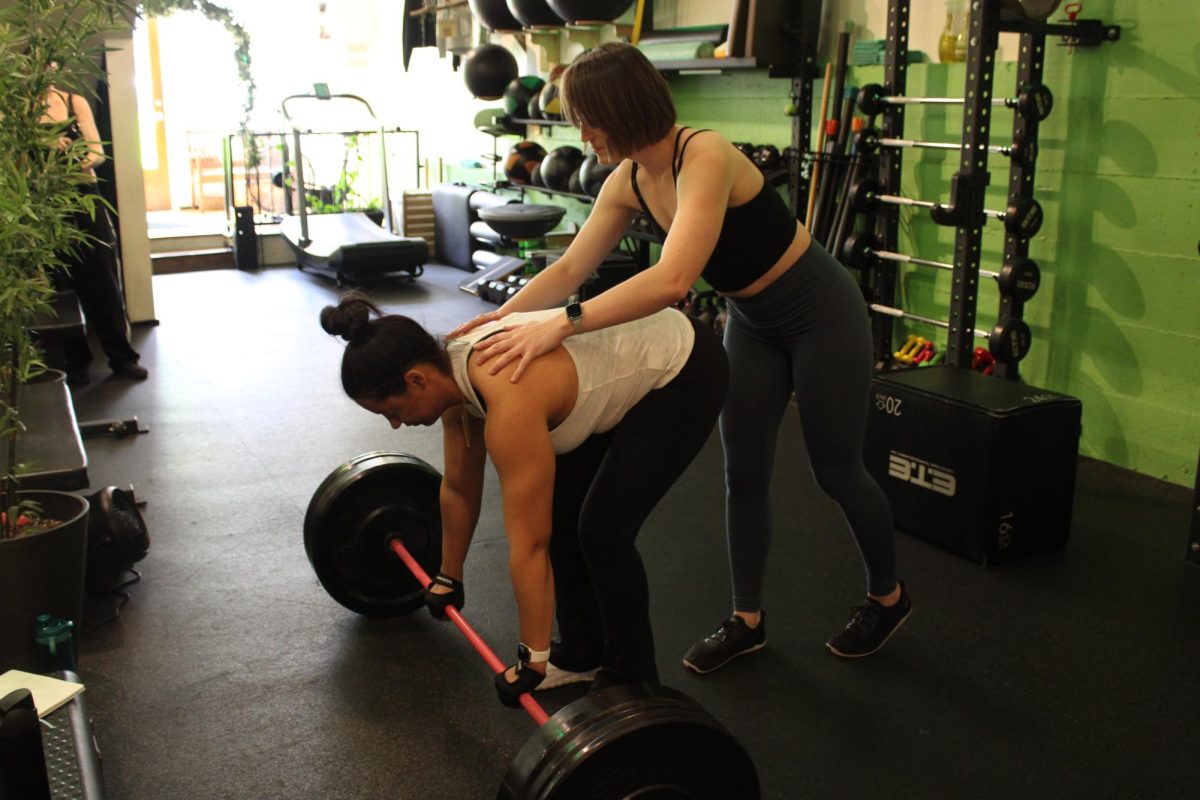
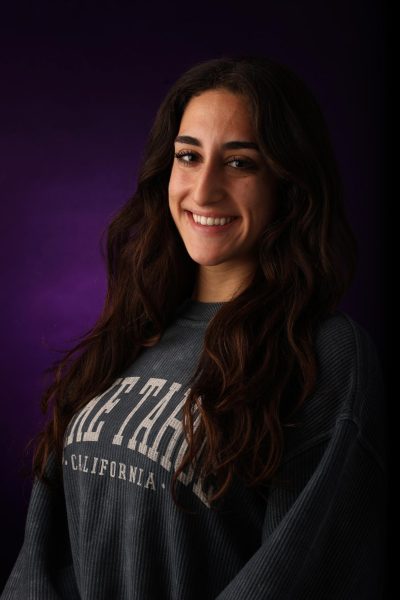
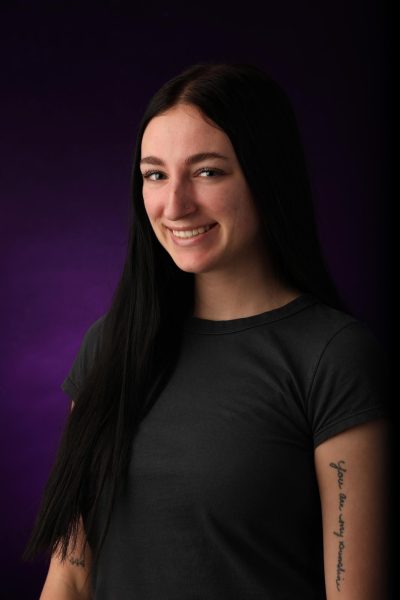
In a typical commercial gym, a workout may start by pressing play on a playlist and tuning out surrounding gym-goers. For Shruok Radwan, a personal trainer, her workouts begin by closing the curtains and providing her muslim clients the comfort of removing their hijabs — allowing them to focus on their workouts instead of dodge stares they’d receive in a big-box gym.
“It used to be very uncomfortable in the beginning,” said Radwan about those who’d approach her during her workouts to ask about her hijab. After immigrating from Egypt to the U.S. in 2012, she noticed a lack of women wearing hijabs at public gyms. “And I’m, like, the only person [to] have a headcover on.”
Radwan wears a hijab, a traditional headscarf worn by Muslim women to preserve their modesty and commitment to their faith. Traditionally, wearing a hijab means that women must cover themselves from head-to-toe in front of men who are unrelated to them, making it difficult to workout with and around men.
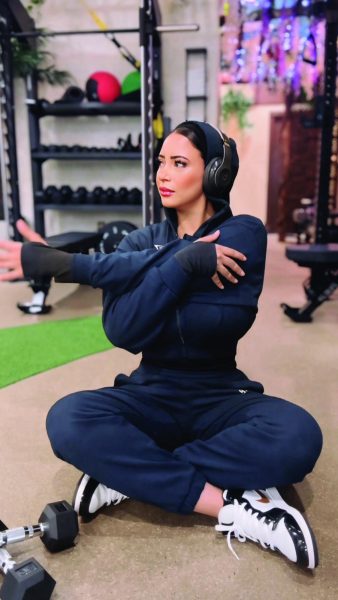
After several years of going to a public gym, Radwan was uncomfortable with the stares she received while working out in her hijab. This prompted her to attain her coaching certification, leading her to Eden Fitness Studio, a woman-only gym that allows a select number of men who’ve been “grandfathered in.” Radwan aims to encourage women who may feel discouraged in pursuing their goals or hobbies because of their hijabs.
According to our research, in San Francisco, there are about five women-only gyms that train women for their specific needs. While these gyms don’t directly cater toward muslim women, Radwan’s experience highlights the alleviation alternative gym spaces can provide them. Alongside the restraints religious practices and commercial gyms may introduce for women, many share the experience of a sometimes unpleasant atmosphere or imposter syndrome in an often male-dominated space.
According to Kent Lorenz, a professor in the department of kinesiology at SF State, women typically have been pushed to exercise for weight loss to conform to body ideals rather than prioritizing muscle and bone health. Because of cultural norms, women historically wouldn’t strength train as much as men would, so a majority of gyms were catered toward male clientele, said Lorenz.
After the creation of Curves, a well-known women-only gym, in 1992, strength training among women became more encouraged in the fitness industry. As women’s inclusivity in fitness became more widespread, so did the concept of women-only gyms.
A Divide In Community
Fifty-three-year-old Tammy Foxx, owner of Eden Fitness Studio, said she notices commercial gyms still being a male-dominated space, just as it was when she was younger. “That’s just kind of the history of mankind,” said Foxx. “Mankind as in all humans. It’s always been a male dominated world.”
Foxx always planned for the gym to be women-only, however she was afraid of pushback from exclusively categorizing it as such, noting the California Civil Code Section 51 — also known as the Unruh Civil Rights Act, which prohibits business establishments from discriminating, including against sex. She decided against completely excluding men and instead made it women-focused, as she found that a women-focused space ultimately discourages men from using the space.
Foxx keeps one side of her fitness studio strictly for women to use 24 hours of the day and permits men to use the other side during regular business hours, which is typically 5 a.m. to 9 p.m. By doing so, Foxx simultaneously keeps women comfortable and safe without boxing anyone out.
“Because it’s 24-hour access, I didn’t want a woman in there, you know, at 12 o’clock at night and there’s a man walking in the door — even a really nice guy — a woman’s not going to feel comfortable,” said Foxx.
While women-only fitness spaces open up more opportunities for women to work out comfortably, Radwan recognizes the luxury of them.
With only a handful of women-only gyms in San Francisco, there are select choices. When factoring in cost, most of these gyms are priced around $100 to $300 a month for a membership, making affordability a restraint.
Click here to view an interactive map on women-only gyms in San Francisco.
A Modest Experience
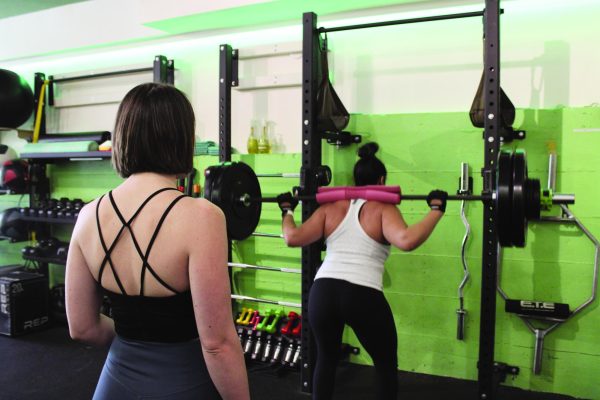
For Muslim women, their religious practices can be better accommodated in a more secluded sanctuary when working out; one where they can focus on their workouts rather than the stares they might receive if they don’t follow the typical “look” of wearing a nylon workout set and a slicked-back bun
Ishraq Al Siyabi has been wearing a hijab since she was 14, and began weightlifting when she was 21. She explained how back in her home country of Iran, most of the gyms are segregated between men and women. In countries such as Saudi Arabia, Sudan or Qatar — where women have less rights compared to men — separate gyms for men and women are a more common sight. In the U.S., these gyms can be considered uncustomary.
Working out in a public commercial gym often poses a challenge for women who wear hijabs. “I get really embarrassed of doing things because I’m like, ‘Oh, I have a hijab on,’” said Al Siyabi about doing certain exercises that leave her feeling exposed. “I should not be doing this kind of thing.”
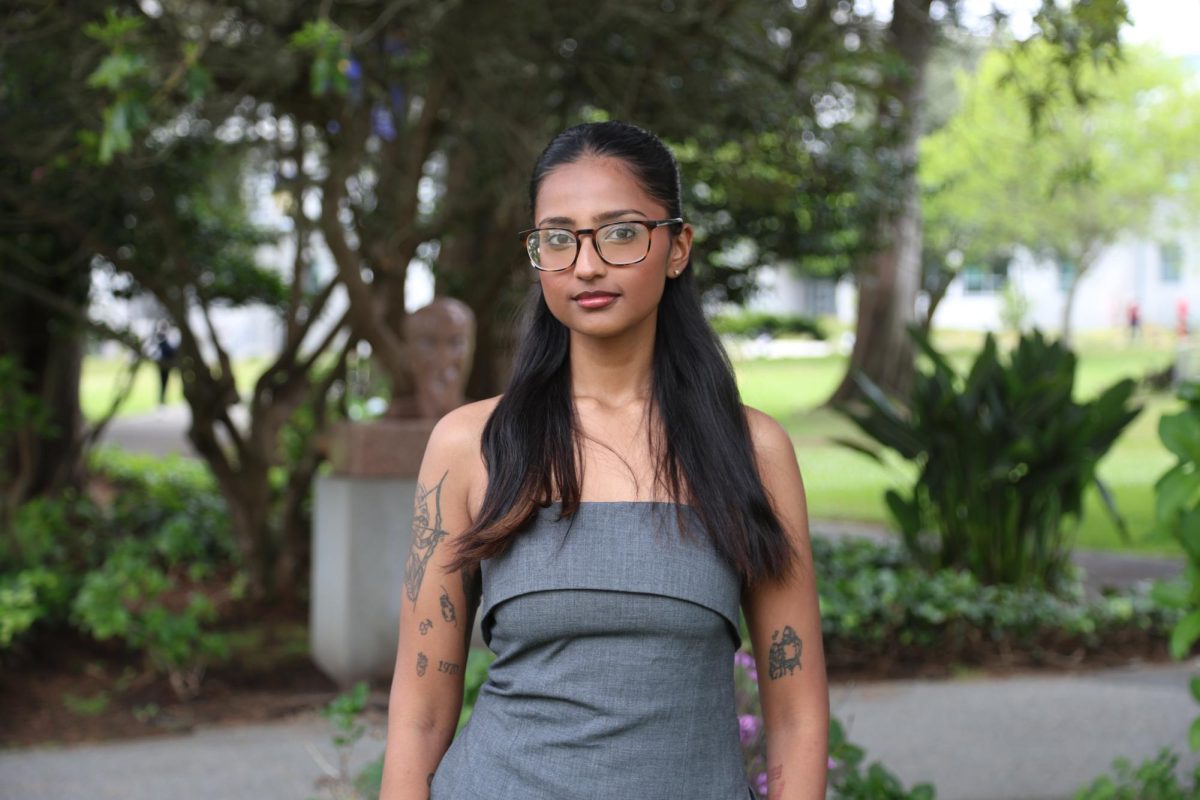
While the modesty aspect is one part, women who wear hijabs often experience physical issues when exercising. “It traps in the heat more, and it’s just harder to move with it,” said Ghaida Sulaiman, a computer science major at SF State, who used to wear a hijab. They would have to make sure their clothes covered their whole body, which meant their workout outfits consisted of long-sleeve shirts and pants.
“If you want to do something, you can do it. I used to do kickboxing. I used to do jujitsu wearing my headscarf,” said Radwan. “Just being strong and not put your fitness on the side just because you don’t feel comfortable wearing a hijab and going to the gym.”
Regardless of why women choose to attend these alternative workout spaces, women-only gyms offer refuge and sanctuary. “You can wear whatever you want, and you can do whatever you want without being judged,” said Al Siyabi. “It’s such a positive experience.”