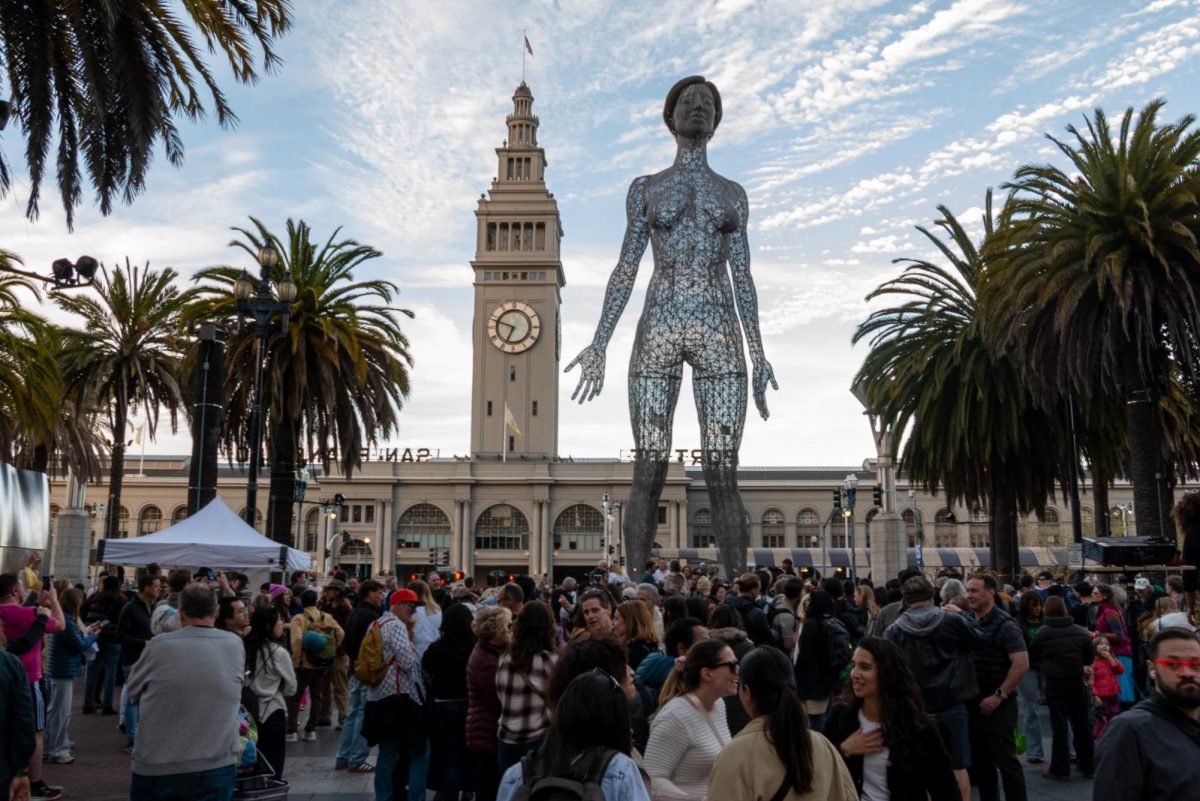
The new China Basin Park has a bit of everything: walking and cycling paths, a fenced dog park, a shaded grove of trees, a garden boardwalk, terraced seating and a sandy shoreline on McCovey Cove with views of the Bay Bridge, the South Beach Harbor and the Giants’ home stadium, Oracle Park. Picturesque — made for brochures of the revitalized waterfront.
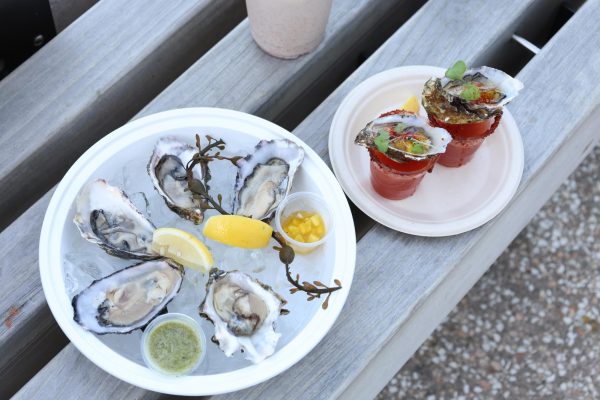
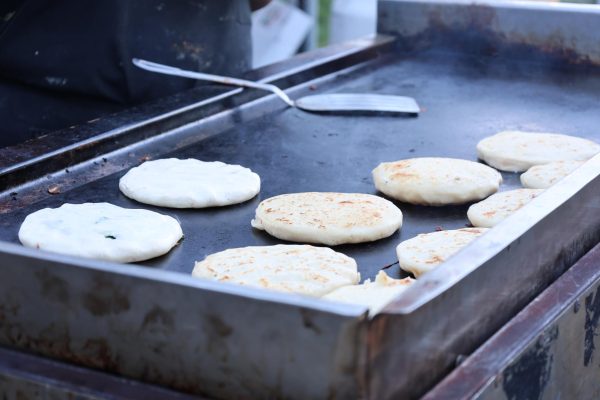
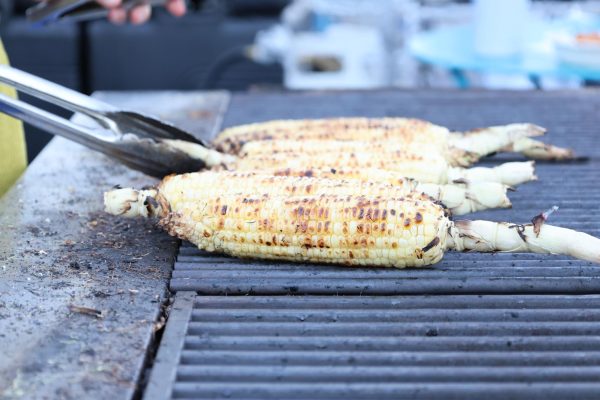
For a weekend in early November, the park also hosted over 25 vendors for the SF Street Food Festival and a celebration of La Cocina’s 20th anniversary.
Distinct from the ubiquitous Bay Area tech incubators, La Cocina is a nonprofit food business incubator, primarily assisting immigrants, women, and people of color in launching their business ventures and offering longer term support through a four-stage incubation process.
Early in the incubation process participants learn the foundation of operating a business; taking classes from accounting to product development. Entrepreneurs then execute a cohort dinner — a four course meal for 100 people, or a night market. “These are intentional curriculum programmatic events that we do because we want entrepreneurs to experience how to execute an event like that,” said Michelle Magat, the director of communication and innovation at La Cocina.
After exiting the initial preincubation stages, entrepreneurs gain access to participating in La Cocina-organized activities, like farmers markets or La Cocina’s catering program. Once reaching a sense of stability in their businesses, they transition into the final, “mature and stable” stage. As entrepreneurs begin to detach from the hands-on support they received in the beginning stages, they still find support from La Cocina as they exit the program. This could look like lease negotiation or receiving help setting up a brick and mortar location.
In 2009, tents of food entrepreneurs lined the street along the two blocks outside of La Cocina’s Folsom Street kitchen, marking the nonprofit’s first food festival. “[We] had some of our entrepreneurs do a little bit of a pop-up there,” said Magat. “The audience’ attention was really positive. We had a lot of people come out and support the businesses.” After the initial pop-up festival La Cocina formalized the tradition and continued to expand; filling larger venues with 30,000 to 40,000 attendees at one point.
While the festival has made exponential growth, organizers say their intentions have stayed intact: giving opportunity and experience to groups that have been historically priced out of traditional food festivals due to a lack of resources or established, identifiable branding.
“They really gave us the confidence to really push ourselves,” said Reyna Maldonado, one of the founders of Oakland’s La Guerrera’s Kitchen, which graduated from La Cocina’s incubator program in 2019.
Whether it’s the smell of fresh tamales that provokes a sense of childhood comfort or the sound of sizzling oil hitting the pan that triggers a memory of a relative cooking, the personal stories that are intertwined in food serve as an equalizer in bringing communities together.
The La Cocina staff builds their framework off of meeting their community where they are. While the pandemic pushed many local businesses into financial uncertainty, La Cocina solved for what many businesses couldn’t. After opening the Municipal Marketplace in the Tenderloin in 2021 — the first women-led food hall in America at the time — plans pivoted after the organization realized there wasn’t enough revenue to make the food hall a profitable venture for their entrepreneurs, putting them in economic harm.
La Cocina, along with the marketplace businesses, their Tenderloin partners and the city, decided to close the public food hall. The businesses that were previously located in the food hall received La Cocina’s support in transitioning to other locations.
Converting the Tenderloin space into a shared-use kitchen for commercial food production gave La Cocina the opportunity to bring in more entrepreneurs from their Mission commercial kitchen that, at the time, was reaching capacity, said Magat. Currently, the space serves as a hub for community events and hosts 13 of their entrepreneurs who are actively producing out of it.
“It’ll be something that we will continue to kind of reevaluate, but for right now, we’re just really happy that we can activate that corner and provide a service to the entrepreneurs and the community,” said Magat.
Notwithstanding the transition of the food hall to a commercial kitchen, 100% of the La Cocina food businesses survived the pandemic. This was due to what Magat describes as the sustained support La Cocina invests in their entrepreneurs during and after graduating the typically six-year long incubation process.
Earlier this October, the SF Chamber of Commerce awarded La Cocina the Non-Profit of the Year and their executive director, Leticia Landa, won the Basque Culinary World Prize of the year for her dedication in leadership to the nonprofit.
Sixteen years after the initial food festival, this year’s celebration bridged the gap of a five-year hiatus after adjusting to a changing landscape during the pandemic. La Cocina’s efforts transitioned from focusing on commercial kitchen access and technical assistance to providing their entrepreneurs with emergency support and relief, redirecting their work the last five years.
“It’s really super nostalgic,” said Magat. “I love the fact that we have entrepreneurs here who were part of the 10 years of the food festival before and now, new entrepreneurs as part of our community.”