Cesar Chavez was a hero of mine growing up. As a Chicano kid trying to make sense of a world filled with hatred, inequality and bottomless greed, Chavez, co-founder of the United Farm Workers movement, convinced me that together, we as a people can go against the world and win.
To have that vision shattered by the recent New York Times investigation exposing Chavez’s abuse of women and girls left me with a sense of hopelessness. My inner child lost his hero, and the pride I felt sharing my Mexican heritage with Chavez was replaced with shame.
More and more organizations, including the UFW, are cancelling their Chavez Day events in response to verified reports of Chavez’s sexual assault against girls as young as 12 years old.
The Times investigation revealed Dolores Huerta, co-founder of the UFW, bore two children as a result of two unwanted sexual encounters with Chavez. Huerta wrote in a statement, which the Times also published, that Chavez pressured her to consent during her first encounter and raped her during the second encounter.
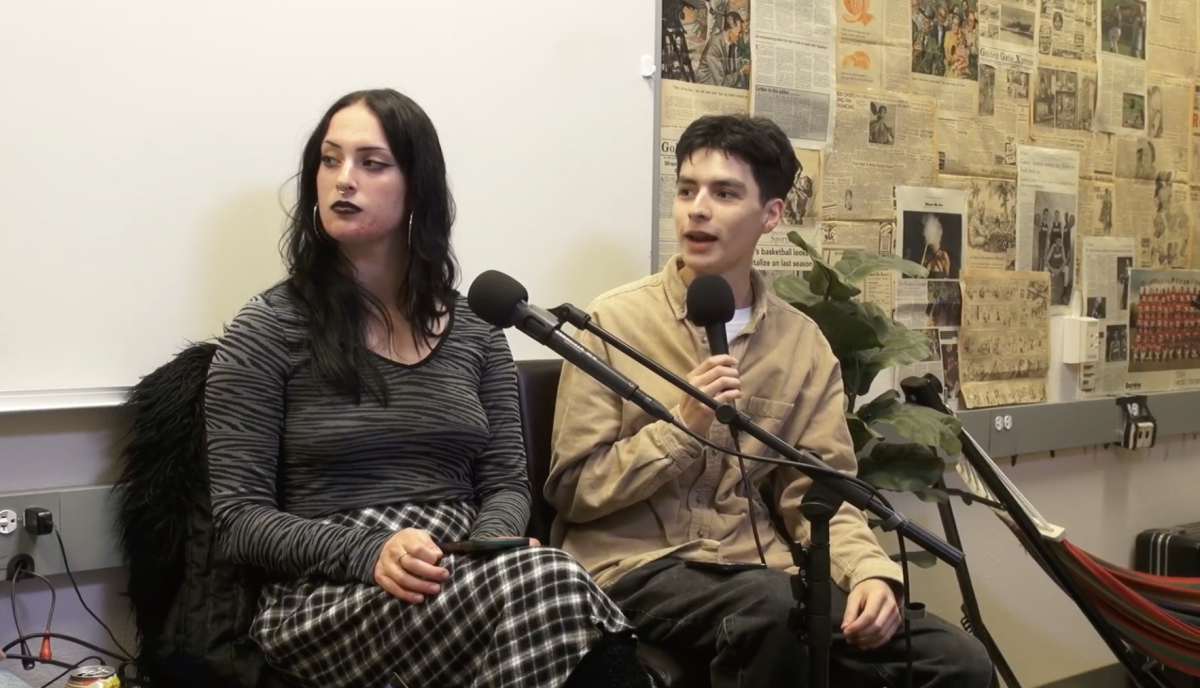
“I was obviously, like, really devastated for Dolores Huerta,” said Sandra Cruz Gonzalez, an anthropology and Latino Studies student at SF State. She is the co-president of the student organization Improving Dreams, Equity, Access and Success, which advocates for undocumented students.
Huerta, now entering her late 90s, wrote that she refrained from speaking out against Chavez’s behavior out of fear that it would tarnish the reputation of the wider UFW movement.
“She was going to take it to the grave until she found out it had happened to young women and girls,” said Cruz Gonzalez. “I think that was really courageous, and really brave and selfless.”
This specific section from Huerta’s statement stood out to me:
“The farmworker movement has always been bigger and far more important than any one individual. … We must continue to engage and support our community, which needs advocacy and activism now more than ever.”
It is important to bring justice for the victims. At the same time, there must be dedicated efforts to preserve the movement he represented. In that way, not only is justice brought to the victims, but also to the innumerable farm workers who rose up against injustice.
Ashley Melendez, a fourth-year journalism major at SF State, believes there is a lack of awareness when it comes to the movement Chavez represented. She recalls a UFW flag being removed from a library display she designed for a class because people complained that it was a Nazi flag.
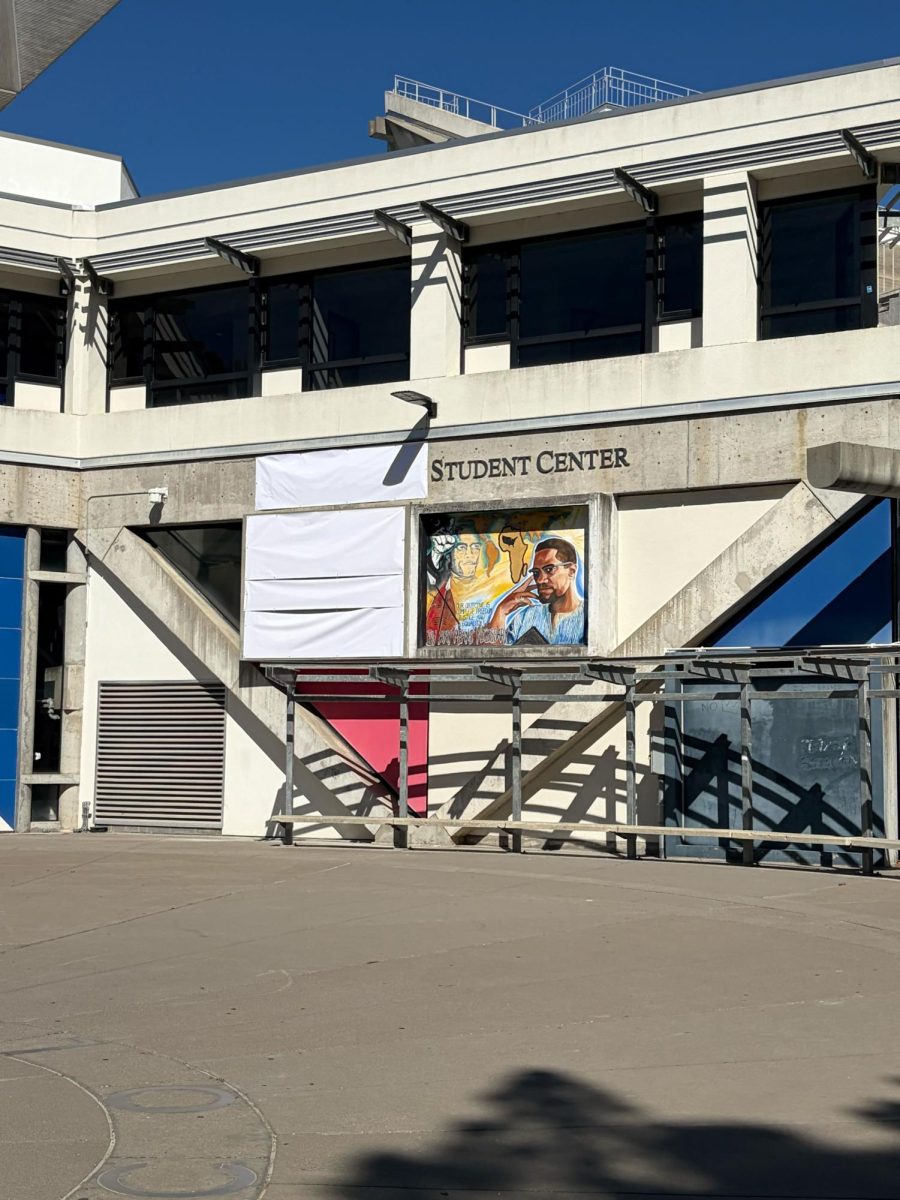
“It’s just sad that people didn’t really get the opportunity to ever really educate themselves about the UFW or other movements within the Latino community,” said Melendez. “I think that it would be great to kind of see the [Student Center] be renamed to the movement itself.”
On March 23, 2026, the California legislature passed a bill 67-0 to rename Cesar Chavez day to an all-encompassing “National Farmworker’s Day.” California Governor Gavin Newsom has expressed support for the bill and is expected to sign it Thursday.
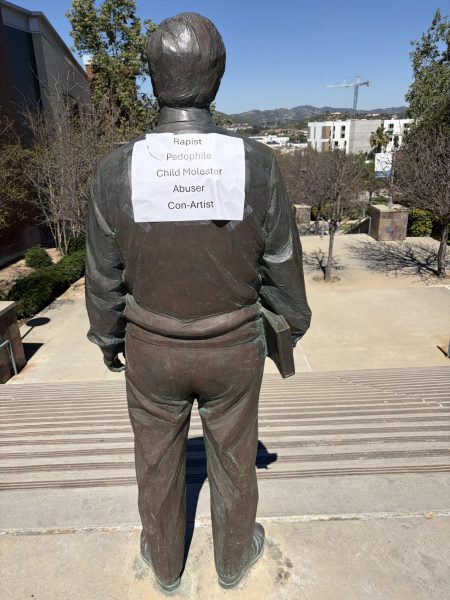
While it’s good news, it’s still uncertain as to how buildings, streets, murals and other commemorations will be addressed.
Bakersfield College’s History and Ethnic Studies Professor Oliver Rosales, who’s written books on multiracial activism in California’s Central Valley, is concerned with how the news will impact farmworker representation.
He mentioned how the Cesar Chavez National Monument, as well as a Chavez National Park that California Senator Alex Padilla has been working to establish — both of which commemorate Chavez but represent the Farmworkers movement as a whole — may lose support following the news.
“It was never about a man,” Rosales said. “I hope that the monument can reimagine itself and continue for generations to come in a way that’s inclusive and doesn’t get whitewashed or destroyed.”
It would be catastrophic to not substitute Chavez commemorations with alternative representation for Farmworkers and, by extension, the American immigrant community who made up at least 68% of farmworkers in 2022.
SF State’s Associated Students released a statement on Instagram regarding the news, which states: “We will develop a course of action with the respective communities and share updates as we address the renaming of the Student Center building and mural.”
SF State’s Associated Students’ community-centered response is relieving, but that decision is being made in San Francisco where 80% of people voted blue in 2024.
Palomar College, my Alma Mater, is in a county in which 42% voted for Trump. In coordination with colleges in the area, Cal State San Marcos (CSUSM), is renaming their annual “Cesar Chavez Day of Service,” that honors Chavez and farmworkers, to the “North County Day of Service.”
CSUSM President Ellen Neufeldt’s statement announcing the change had no mention of community meetings or town halls, indicating the decision was made behind closed doors.
Xpress requested a statement from CSUSM. They declined to comment.
While commemorative days alone don’t solve the country’s problems, it is wrong to erase farmworker visibility while the Trump Administration attacks immigrant communities through White Nationalist propaganda and dragnet deportations conducted by the Immigrations and Customs Enforcement.
So what are alternative representations?
Obviously there’s Huerta. There’s also Larry Itliong, a lesser-known Filipino leader who spearheaded the Delano Grape Strike, along with other unsung heroes. But we would be repeating a mistake if we reduced the movement to a single group of people.
“I’ve always been uncomfortable … looking for some modern-day saints.” Labor Studies Professor John Logan said, highlighting the tendency among movements to sanctify certain leaders. “It’s not just about them as an individual, it’s about what they represent.”
Instead of leaving pedestals empty, I urge cities to commission sculptors for “Nameless Farmworker” statues; represent the thousands of people who contributed to the movement; host town halls to brainstorm alternative names representing local immigrant communities rather than reverting back to generic street names.
“Farmworker Way” also has a nice ring to it.
“Supermarkets would have empty shelves were it not for the work that farmworkers do everyday,” Logan said, emphasizing the importance in advocating for all immigrant workers, especially as many have H-2B visas and hesitate organizing in fear of losing their legal status.
“[Working] conditions in all of those sectors are really really bad.” Logan said.
I realize now, my childhood hero wasn’t Chavez. It was the thousands of farmworkers who risked everything because they felt it was the right thing to do. It’s the current farmworkers doing backbreaking labor, keeping our communities fed.
It would be devastating to see my community, and fellow immigrant communities, lose representation due to Chavez’s disgraceful actions.
“My hope is that we can lean into the problem and teach more complex farmworker history,” Rosales said. “I don’t want Latino history to be erased.”