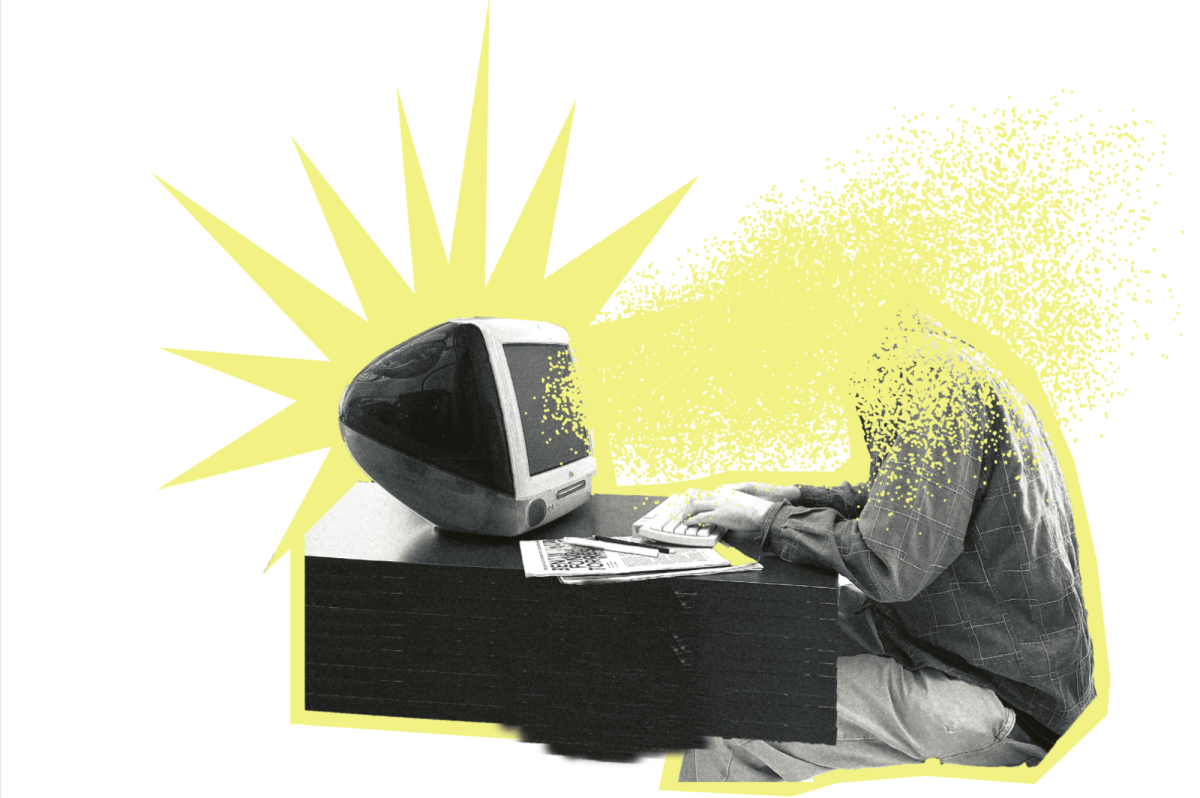
When Ferris Bueller performed his computer hacking feat and broke into his high school’s computer system to “excuse” one too many absences, the idea of hacking came across much more lighthearted than it does now amid today’s cyberattacks.
What was considered cutting-edge technology in 1986, when the film was first released, was only the beginning. Hacking has since extended into SF State’s reality, following the recent cyberattack on Instructure, the parent company of the online learning management system Canvas, used by SF State and thousands of schools worldwide.
ShinyHunters, an online hacking group notorious for “pay or leak” attacks, shut down Canvas on May 7, demanding an unspecified ransom and threatening to leak private information if it was not paid by May 12. The group stems back to 2020 with notable targets including Microsoft, Google and AT&T.
The attack has impacted more than 9,000 universities and K-12 schools across North America, Europe, Asia and parts of Australia. For universities in the midst of finals, the cybersecurity breach couldn’t have come at a worse time.
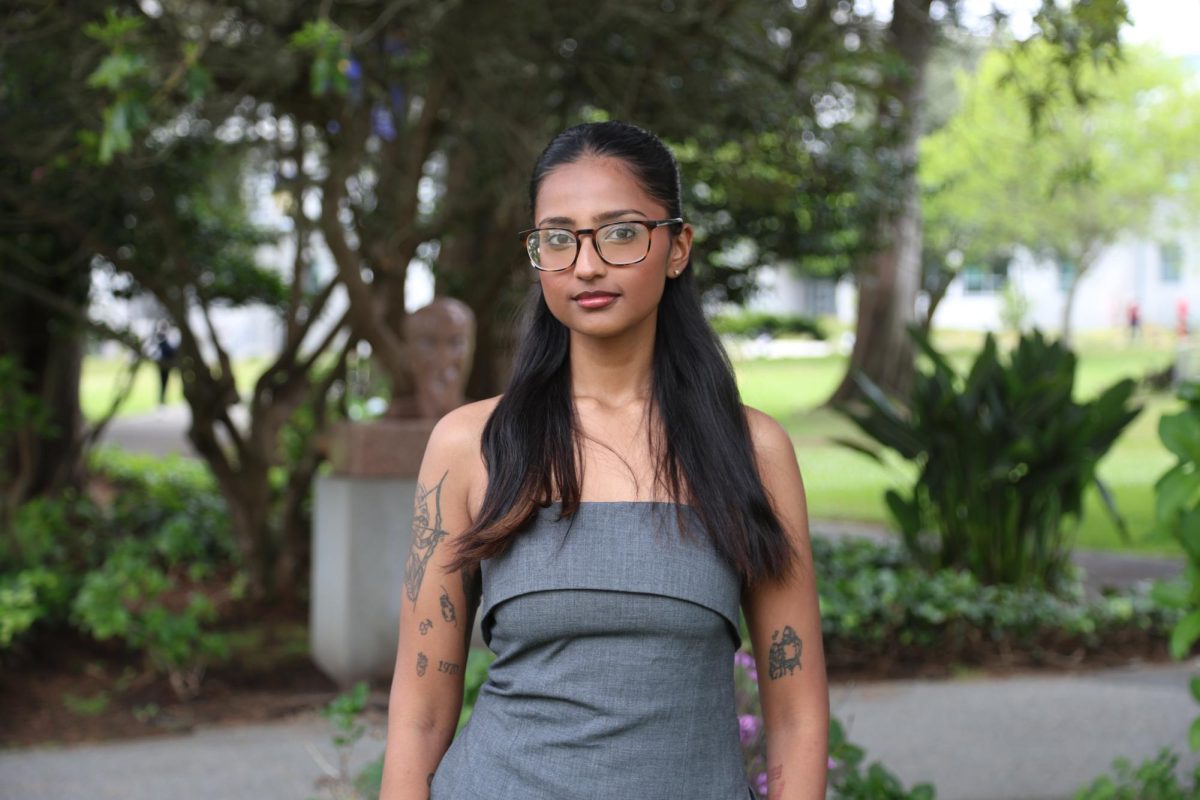
“I have finals next week, and I don’t know from which slides I should study,” said Harea Sharif, an electrical engineering major at SF State, explaining how the shutdown has created confusion within their course instruction.
As of Friday afternoon, Information Technology Services, which falls under the San Francisco Bay Area Region Network (SFBRN), alerted students, faculty and staff in an email stating, “Instructure has restored Canvas services and our technology team has enabled campus access to Canvas.”
The email also provided a link with cautionary measures before logging back into Canvas, including: auditing course links, staying wary of suspicious emails, and practicing file safety. The SFBRN also urged for flexibility among faculty, noting that “both students and faculty may feel uneasy about the reliability of Canvas links and file attachments.”
Although Canvas seems to be up and running as normal, students and staff are left with more questions than answers.
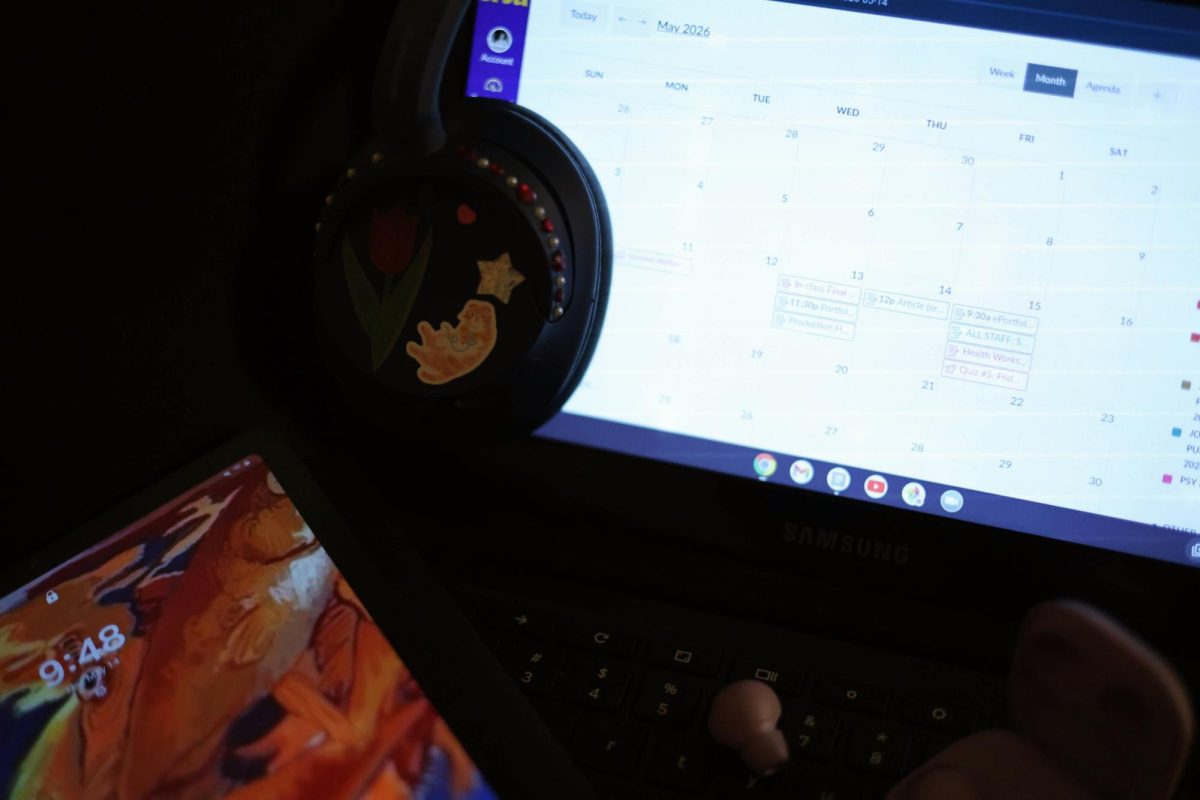
The confusion began Thursday night, when a mass email was sent to LCA professors from David Landy, dean of the College of Liberal Arts & Creative Arts (LCA) stating, “What we have heard so far indicates that Canvas will be unavailable through at least the end of the semester.” But that timeline was faster than expected.
“I had a lot of deadlines last night and couldn’t access any of the information that I needed, and I hadn’t saved anything beforehand because I kind of rely on Canvas to have everything on there,” said Finn Omaque, a second-year general biology major. “I don’t have much storage on my devices, and I’m usually offline.”
For Omaque, with course material increasingly digital, situations like this become amplified.
“We rely so much on everything online that once it goes down we’re kind of at a loss for keeping everything together,” they said. “If I had notes or like a book provided, I wouldn’t have to be too stressed out about getting a document done, getting some notes down or studying, but it’s all here.”
The stress was compounded for faculty, who have grades due May 29.
“All my grades are gone,” said Saskia Van Kampen, a visual communication design associate professor. “I don’t have any of the attendance or any of the other files that I would need to give a final grade.”
For Silvan Linn, an industrial design associate professor, the outage created a sudden need for a secondary management system to manage grades .
“Just last night I was thinking to myself, ‘I should probably back this stuff up just in case something were to happen’, and then of course, today,” Linn said.
It remains unclear whether negotiations to prevent the data leak have been resolved, despite Canvas being back online. According to a message from ShinyHackers posted on the Canvas landing page Thursday, the group advised affected schools to negotiate their own ransom payments to prevent the publication of their data — regardless of whether Infrastructure would decide to pay.
Despite the California State University System (CSU) facing a $2.3 billion deficit, university spokesperson Robert King confirmed the CSU budget would not impact the issue, as the outage isn’t limited to SF State but is occurring on a global scale. “We have ample resources for IT and AT support,” stated King in an email.
Steve Proud, Instructure’s chief information security officer, wrote in a statement on May 2, that names, email addresses, student ID numbers and messages between users had been compromised. However, passwords, dates of birth, government identifiers and financial information were not accessed.
This is not the first time ShinyHunters has hacked into major global corporations and institutions, demanding ransom. In addition to Microsoft, Google and AT&T, the group has targeted the group Pluto TV, Harvard University, Ticketmaster and Pornhub between 2020-25, among others.
“I’m not sure what kind of data they’re after,” said Abigail Hernandez, a computer engineering major. “But I’m worried about it, and when I had to log in again it seemed a little buggy … I definitely thought twice about it.”
Up until now, Omaque had never heard of the hacking group. “Its just like, ‘What could you possibly find here,’” they said. “But then again, it is the CSUs and everything, so there could be God knows what.”