


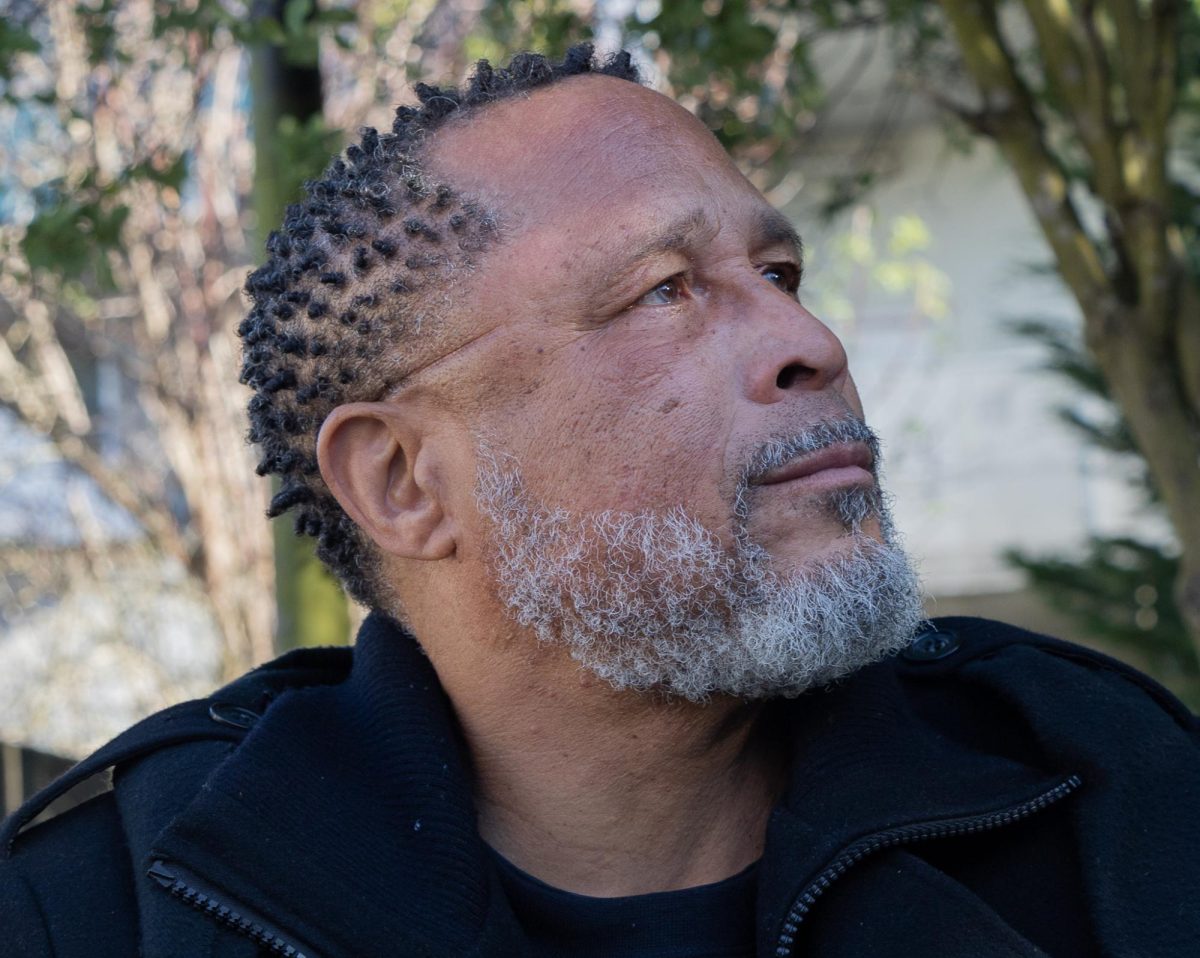
What often reminded him of the twin towers, two rising silhouettes against the dark Chicago sky, was the same place he called home — the dangerous projects on the South Side. A three-year-old boy can only move so quickly; yet, he forced one small foot in front of the other to make his way back home to his mother. Maybe it was the kidnapper behind him who sparked a sudden desperate speed out of his tiny legs — an early echo of the endurance he would one day embody.
“I could remember times where I was almost kidnapped,” said Markelle Taylor, at the Reflection Behind Bars panel, who served an 18-year sentence at San Quentin.
The event included a screening of the documentary, “Reflection Behind Bars” followed by a powerful discussion with members from the nonprofit Back to the Start. The program aims to empower incarcerated participants to write and produce stories in relation to their childhood traumas. Their mission is to raise public awareness of health and systemic inequities impacting their communities that lead to such trauma, and often, precede incarceration.
As a response to high incarceration rates, many nonprofit organizations focus on post-incarceration education to aid in reentry and reduce the likelihood of re-incarceration, or recidivism. Back to the Start uses education and story telling to make sense of the traumatic experiences that correlate to negative health and social outcomes. The root causes of many of these experiences are due to systemic inequality and shaped by limited social services, unstable housing and weak welfare systems, according to a 2022 study by Sayil Camacho and Sarah Henderson published in the International Journal of Environmental Research and Public Health.
Unveiling ACEs
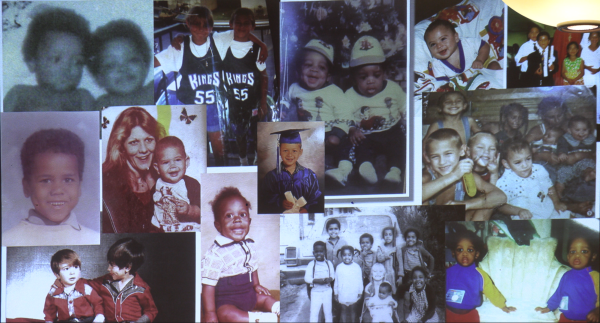
Taylor grew up in the projects of Chicago’s South Side, a notoriously dangerous environment often associated with drug trade and violence. Constantly surrounded by danger, Taylor experienced a multitude of adverse childhood experiences, also known as ACEs.
ACEs — Adverse Childhood Experiences— refer to early life traumas, including abuse, neglect or exposure to violence between the ages of 1 to17. Researchers tally each type of trauma as a separate ACE, and the cumulative score helps determine the depth and complexity of a person’s early adversity. Ultimately, higher scores reflect rougher childhoods.
From 1995 to 1997, the Centers for Disease Control and Prevention (CDC) and Kaiser Permanente conducted the first ACE study that reflected the outcomes and consequences that are associated with childhood abuse and neglect. According to the study, almost two-thirds of participants reported at least one ACE and more than one in five reported three or more ACEs. Later research has consistently showed that higher ACE scores are associated with higher chronic health issues, including heart disease, diabetes, and depression later in life.
During the panel, Taylor described accounts of physical and emotional abuse that began at the age of three.
Some of the ACEs he experienced include witnessing his father dangle his mother out of a window in their 12-story building, being chased through the projects as a child, and — perhaps most profoundly — being abused in response to his struggles with reading and writing.
“He would sit me down — my stepfather — tell me to read a book,” said Taylor. “If I get stuck on a word I’m going to get smacked, slapped, punched in the face or beat with stitching cords [while] naked. But I learned how to escape that by pretending to know what that word meant.”
Weaving an Escape Route

During his time at San Quentin, Taylor, along with dozens of others, began his rehabilitation journey through Back to the Start.
Previously serving as chief physician and surgeon in California’s prison health care system, Dr. Jenny Espinoza understands the complexities that come to those who live in our nation’s most underserved communities.
“We created Back to the Start to foster healing of childhood trauma as well as to raise awareness,” Dr. Espinoza explained. “To break the cycle of childhood and intergenerational trauma that’s so often at the root of the cradle-to-prison pipeline.”
Now serving as the executive director at Back to the Start, Dr. Espinoza has developed deep and meaningful relationships with those who are part of the program.
“So that was carried on into my adult life,” said Taylor about the insecurities he faced surrounding his education. “That’s where the ACEs thing comes in, and how I understood why I committed the crimes that I did.”
Serving the youth in a similar vein is the Juvenile Justice Center in San Francisco. They partner with the Beat Within program, which is designed to provide a safe space for incarcerated youth to share ideas and life experiences, including writing workshops and award-winning publications.
“You could see the young people light up as they would write their stories,” said Rev. Sonya Brunswick during The Art of Second Chances, a panel discussion on community-focused initiatives that aim to invest in people rather than prisons.
Brunswick is a senior pastor of Greater Life Foursquare Church in San Francisco. She serves to connect the value of faith and spirituality to create belonging, healing, and transformation to San Francisco youth.
“Recognizing that they had the opportunity to have their stories be told — it’s education,” said Brunswick. “The more opportunities that young people are presented with, then the less likely that they’ll end up in, and confronted with, the justice system.”
According to a 2023 report from the United States Sentencing Commission, federally sentenced U.S. citizens who had greater attainments of education, such as a high school diploma, had less extensive criminal histories than those who were sentenced with less attainments.
“It is proven, through research and data, that when people are educated it reduces their recidivism,” said Eddy Zheng, president and founder of New Breath Foundation. New Breath is a nonprofit that provides resources to Asian Americans, Native Hawaiians and Pacific Islanders (AANHPI) and brings liberation to all groups of color.
As a Chinese immigrant, Zheng dealt with language and cultural barriers that made his transition into American culture intimidating and difficult to grasp. Zheng spent over 20 years in California state prisons. When he entered the system he didn’t speak much English, but eventually obtaining his GED allowed him to grow confident in his reading and writing skills.

“My parents, especially my mom, continued to emphasize the importance of education to me, even when I was incarcerated,” said Zheng. “The environment changes when I’m able to speak and communicate with people.”
According to the Prison Policy Initiative, many prisons claim to embrace rehabilitation, but in reality provide very few opportunities for growth and development of those they incarcerate.
“The value of education is so undervalued, I think, by our nation in particular, especially for underserved communities,” said Brunswick. “It serves as a preventative as well as for those that are incarcerated to be provided with opportunities for education.”
While incarcerated, Zheng and his friends organized an Asian American Studies class and advocated for inclusive education in San Quentin.
His organizing efforts resulted in administrative backlash, including solitary confinement for 11 months. By the United Nation’s Nelson Mandela Rules, 15 consecutive days in solitary confinement is prohibited and considered inhumane.
“Those in power do not want to share that power with you,” said Zheng. “They want to share that idea of power with you, but as soon as you exercise your knowledge — try to even have equal power — then they’re going to smash you.”
Impactful Support Systems
SF State aids in the route to a brighter future through Project Rebound — a program designed for those in and from the criminal legal system who are eager to become scholars, which uses a hands-on learning approach.
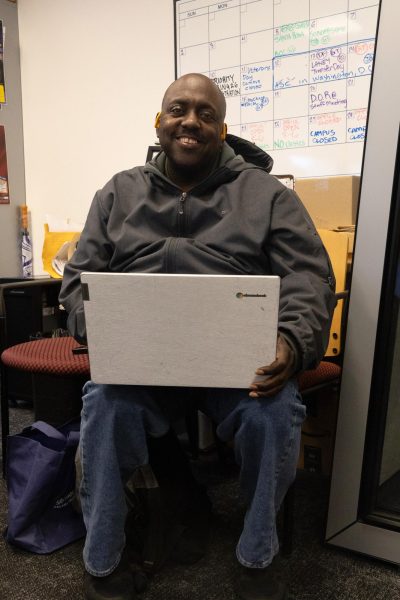
“I was scared to death, but I signed up,” said Brian Asey Gonsoulin, co-producer of the San Quentin Film Festival and producer for the KALW “Uncuffed” podcast.
The program was founded in 1967 by John Irwin, an SF State sociology professor who had also been incarcerated.
“I’ve been home from prison three times prior to this,” said Gonsoulin, “and the difference between now and then is, one now I’m sober, two is I never had a support system like I have now.”
Gonsoulin served 26 years on an 83-year life sentence. When he arrived at San Quentin in December 2011, he initially thought he was never going home and decided to make the most of the remainder of his life incarcerated. He has always had a passion for multimedia and helped grow the prison’s media resources from one camera to a full-fledged media center by the time he was paroled in early 2024.
“School was supposed to be a safe space for you, but for me it was traumatizing because I was scared,” said Gonsoulin. “Anytime they would ask me to read I would hide, I would do something stupid, just so I didn’t have to do it.”
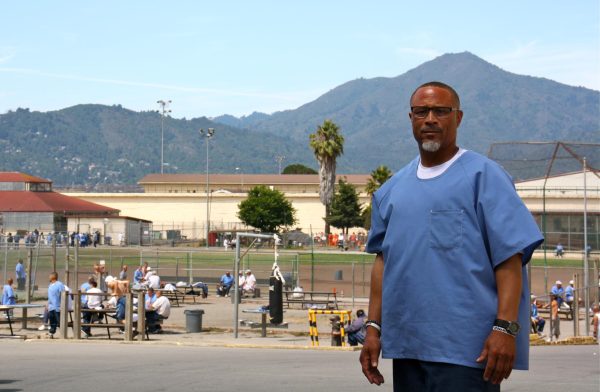
During his time at San Quentin, Gonsoulin enrolled in a variety of rehabilitation services, from videography and media programs to graduating from Mount Tamalpais College — an accredited liberal arts college serving incarcerated people.
Carina Gallo, department chair of SF State’s criminal justice studies, has focused much of her research on the intersection of crime and welfare policy, specifically examining how societies respond to harm, inequality and social needs.
“Rehabilitation is actually something that benefits everyone, not just people that are incarcerated,” said Gallo. She highlights that we exist in a reciprocal relationship with those around us — we all influence one another. When everyone has the opportunity to thrive — including access to social services — the conditions that contribute to harm, as well as victimization, decline.
“We don’t live in isolation; we all affect each other,” she said. “[Education] is something that is going to strengthen our ability to thrive and reduce the conditions that lead to future harm, fewer victims and safer communities.”
Addressing Upstream Reform
Even with the educational support systems in place for system-impacted individuals, reform does not work in isolation; it takes structural change from all levels, including dismantling the stigma and language used to polarize “victims” from “offenders.”
Gallo uses her home country of Sweden as a comparative example to point out how its criminal legal system differs from that of the United States. Until the 1970s, Sweden’s crime and social welfare policy were closely connected — there wasn’t even a Swedish term for “crime victim” — and it was “based on a view that crime is something that is caused by, and also affects, society,” explained Gallo.

According to UC Berkeley professor and sociologist Loïc Wacquant, the webbing that entangles already marginalized communities in the criminal legal system is primarily based on and sustains itself through the failures of the American social welfare system and over-policing in certain neighborhoods. A 2001 Princeton University study published by Punishment and Society analyzed data from all 50 states in 1975, 1985 and 1995 bolsters this view. The authors, Katherine Beckett and Bruce Western, found that there is a negative correlation between social welfare systems and incarceration rates; states with weak social welfare systems have higher rates of incarcerated residents.
“I’m sure that a lot of people that are never involved in the justice system,” said Gallo, explaining the differences in privilege.”They’ve done some really terrible things, but they’ve been in environments where they’re not policed.”
At the Art of Second Chances discussion in October, San Francisco Public Defender, Mano Raju, explained that the District Attorney Office’s, working with SF Police Department’s Gang Task Force, “labeled a lot of young, Black and Brown people as gang members just based on their neighborhood, without knowing them.”
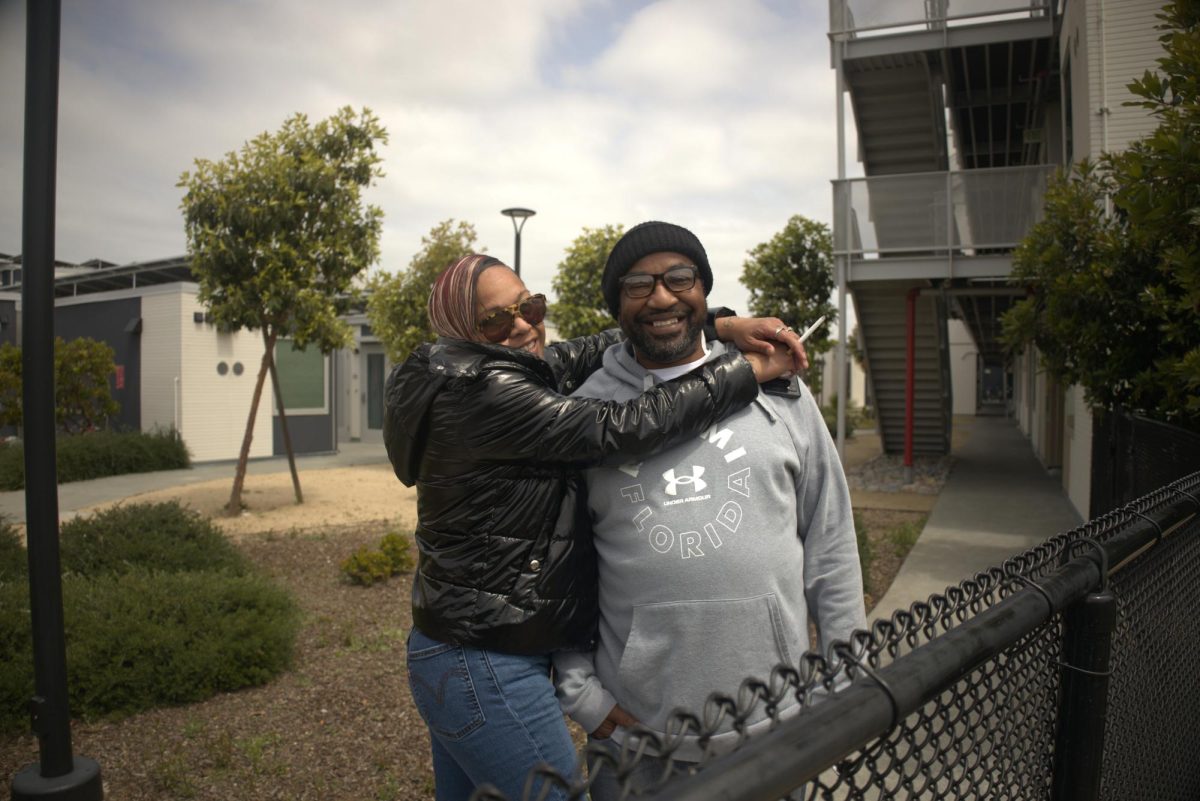
Incarceration to College, founded by Shani Shay, is a program founded at UC Berkeley that pipelines formerly incarcerated youth into higher education. For over a decade, Shay found herself with multiple felony cases with longer sentences each time, until she started her own educational journey at Laney College in Oakland. After receiving a bachelor’s degree at UC Berkeley, she went on to fulfill a master’s in Education — from Harvard. Convictions of violent or serious felonies can disqualify individuals from attaining a California teaching credential, regardless of education.
“You’ve got the top of the top there,” Shay said about Harvard. “If it’s ever a question of, like, ‘do we know how to run an equitable society that works?’ It’s not that we don’t know how; it’s that we adamantly refuse.”
The array of educational support programs and networks available to formerly incarcerated people have been developed in response to disproportionately high incarceration rates among marginalized communities, which have statistically higher ACE scores. These programs are designed to reduce recidivism, support re-entry and address trauma inflicted from adverse childhood experiences, but some structural issues that contribute to the initial entanglement in the system are left unaddressed.
“What’s next is actually creating a culture shift within our own communities,” said Shay. “You have to understand that the people who are incarcerating us, they want our programs to be there. Not because they believe in us, but because it ameliorates a system that dehumanizes people and creates more incarceration.”










Carina Gallo • Jan 21, 2026 at 9:45 am
Honored to have been interviewed for this piece. I am grateful to be part of a conversation that highlights how education and community support can help break cycles and create real pathways forward. Thank you for doing this work and pushing for change.
Charlotte Casey • Dec 11, 2025 at 12:06 am
This is so wonderful, these men have found themselves and have made sufficient changes in the prison system. I’m so proud of them.
Rory • Dec 10, 2025 at 8:51 pm
Brilliant job shedding light on import topics that don’t get talked about enough. The stats around the effects of both education and abuse faced as an adolescent in relation to incarceration were eye opening. Amazing work. Thank you.