
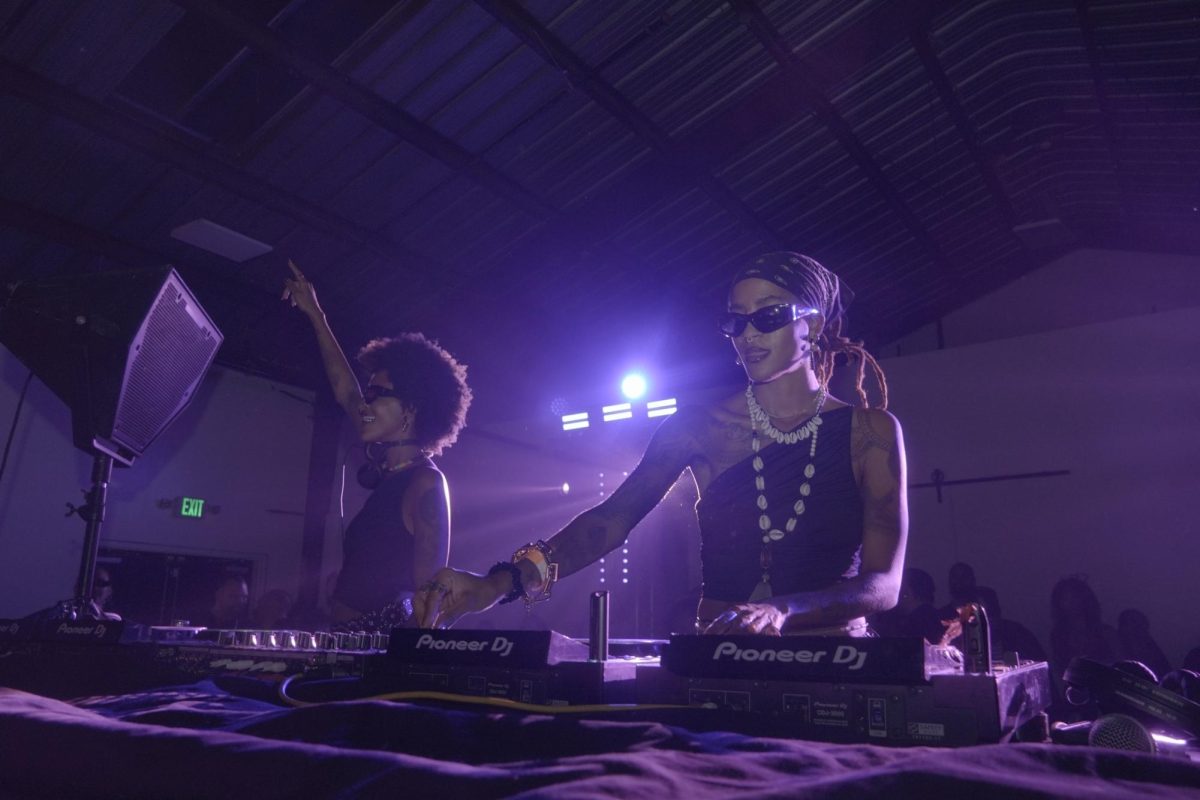
After years of noise complaints and a disconnected post-pandemic crowd, electronic dance music (EDM) events are now drawing some of their largest audiences in a decade. This cultural shift has led to events selling out in hours and local collectives across Oakland and San Francisco expanding.
“The cool thing about EDM is it’s always changing, and it’s always shifting,” said Jacob Peña, a Bay Area native who’s been a consumer of EDM for 2 to 3 years. Peña highlights the genre’s ability to adapt to new audiences, sounds and spaces.
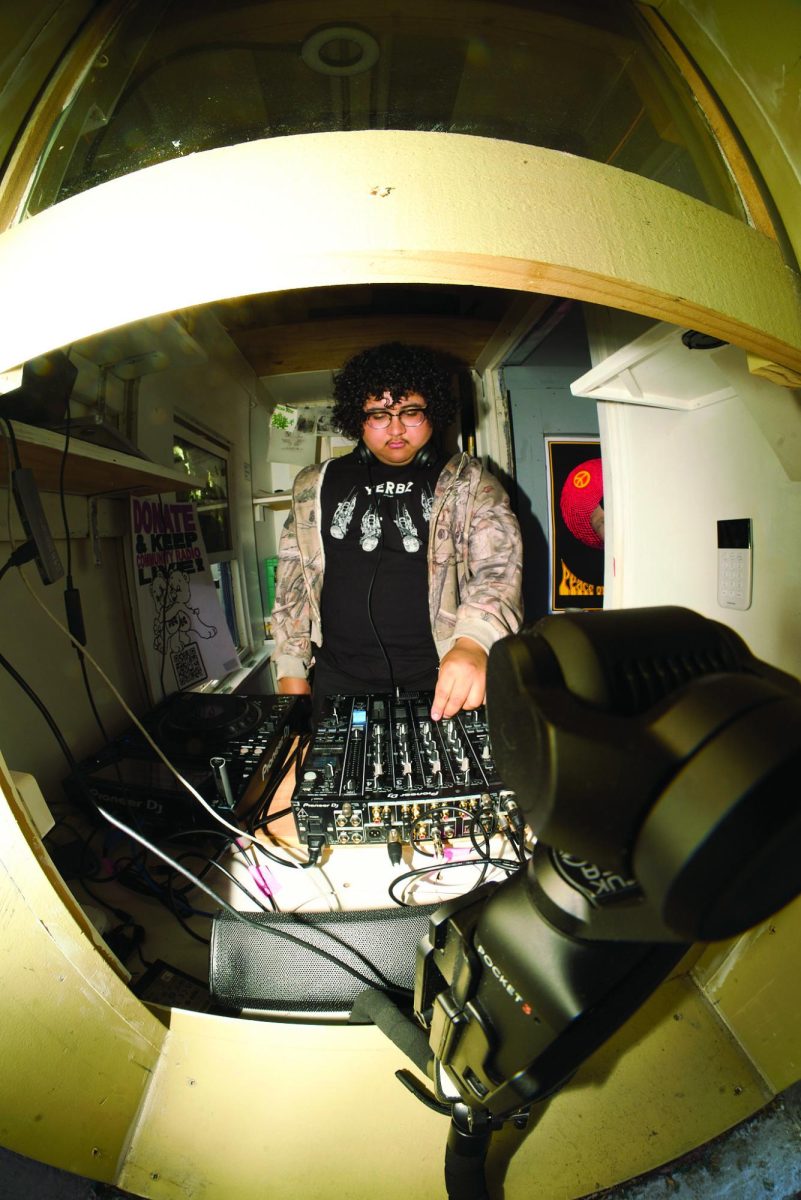
This movement doesn’t just correspond to listeners of the genre, the growth inherently lies with the curators and DJs that push the genre throughout the Bay.
Silk, a collective founded in Oakland, dedicated to promoting Black artists in house and dance music through curated events and sets, is led by co-founders Malik “Kilo.wav” Bey and Shon “Lefty” Myles.
“We were so intentional with it — having Silk in Oakland — to show people that like, yo, this music was created by our people,” said Bey.
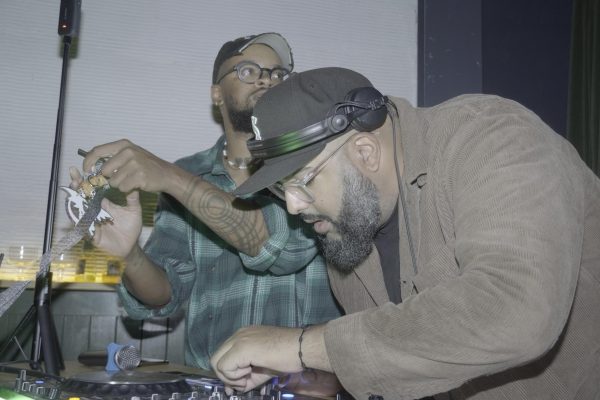
Silk’s mission is to “make house music Black again,” which is highlighted in their Instagram. “House music was created by marginalized communities, and Silk was created with those communities in mind,” said Myles.
“Silk Sessions,” which are curated events highlighting Black DJs in the Bay, are hosted by Bey and Myles. These events are often held at intimate venues such as bars and smaller scale venues like the 888 Garage at The Midway. These events are meant to provide a communal connection for its audiences. The collective’s concept is straightforward: By promoting local talent in the Bay, Silk is able to interact with both the genre and audience.
Silk celebrates Black culture and EDM’s roots, which first emerged in Chicago and became more prevalent in the early 1980s. Following the backlash against disco, EDM was created primarily by Black DJs and producers in underground spaces. Yet, as disco phased out, it never left the underground Black and LGBTQ+ scene — it only kept evolving into what is now house music.
Fabian Padilla, who’s lived in the Bay his whole life, expressed that his relationship to EDM started early in adolescence when first experimenting with his own soundscapes.
“I downloaded FL Studio [a music creation software], my parents got it for me, and it was like trying to fly a spaceship for the first time,” said Padilla, an avid raver.
In 2024, 21 out of the 39 events held at the Bill Graham Civic Auditorium featured EDM artists. This craze isn’t something that happened overnight — it has to do with post-pandemic energy.
San Francisco’s Portola Music Festival, named to acknowledge the original Portola Festival, the first city-wide event held after the 1906 earthquake that devastated San Francisco, bolsters this narrative as it has returned for its fourth year with an estimated attendance of 45,000 people per day over its two-day run at Pier 80. Down the line, Pier 80 has continued to host high-scale events, with their more recent performance featuring EDM superstar trio, Swedish House Mafia. The trio’s two night residency was held on New Years Eve and the day before it, selling both nights out.
“House music is maybe at its most popular it’s ever been, where you have house acts now headlining festivals,” said Myles.
Since its inception in 2022, EDM artists such as Skrillex, Dom Dolla, Kaytranada and Peggy Gou have dominated Portola’s headliner slots.
“I don’t feel like with the popularity of house music being where it is, that you would ever get a festival like Portola, which is 100% electronic music and electronic-adjacent,” said Myles.
The emotions EDM creates is what moves the crowd, quite literally. While the future of EDM is still unfolding, the curators of events throughout the Bay continue to uphold their dedication in creating a diverse, safe and community-driven atmosphere.
“People in the Bay, we like to party, but we also like to feel emotional. So, I think EDM is very emotional music and it makes you feel like you are on cloud nine,” said Peña.

Chris • Feb 6, 2026 at 11:56 am
This is a poor reputation of the real edm underground scene. The Midway is a club and only serves people over 21 and whom are of higher SEC . This don’t represent where the majority of students at our university go to and the “collective” you are referring to is a not a favored group.
Madison • Jan 29, 2026 at 11:06 am
Great article! House is very much alive and well in Underground community of Philadelphia and Brooklyn. Look into Renegade Masters and the Nomadic Rabbit Hole! Would love to see more articles from this writer.