Before Safariii Camp was founded in 2023, finding an affordable space for Adeeb Haidari to make art meant constant uncertainty. Haidari was working full time while trying to fit photography into his schedule whenever he could. After connecting with seven other artists who were facing the same struggle to find time and space to work on their creative projects, they began searching for a shared studio — a search shaped by uncertainty around secure, long-term access.
“It’s hard to find a space that you can really stay in, and it’s hard to find a space that you can do what you want to do and be supported and not have the fear of getting kicked out,” said Amal Alyousfi, co-founder of Safariii Camp. “But the support from the community pushed us forward.”
Safariii Camp is a Muslim-owned, Oakland-based artist collective and shared workspace founded by Alyousfi and Haidari. More than just a warehouse, the space operates as a low-cost workspace designed to keep studio access affordable while supporting their diverse community of resident artists.
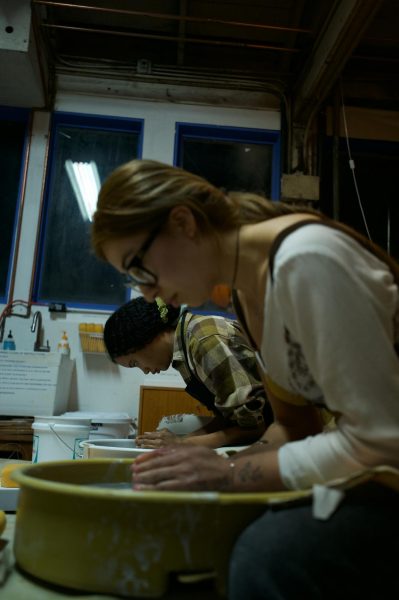
Dalia Alijawad, an Iraqi multidisciplinary artist with a residency at Safariii Camp, has found connection through the accessible space. After being a part of multiple collectives in Southern California, what stood out for Alijawad about Safariii was not only finding a community of people of color, but also the collective’s eagerness to promote their resident artists.
“It’s a space where people want to connect,” said Aljawad. “There’s very few spaces where you go for the sole purpose of having connection to people and art and creation.”
The foundation of Safariii Camp is a collaboration across cultures, disciplines and identities. The founders, Alyousfi and Haidari, are Bay Area-raised, but their Syrian-Peruvian and Afghani cultural backgrounds have shaped the Oakland warehouse into an epicenter where people of color feel represented; that ethos extends into how the collective is run.
“I feel super liberated being there as a Muslim woman,” said Alijawad. “The world does need to know that Muslims can be these eclectic, eccentric artists that come together and can create these spaces. And that was a huge thing for me — huge — that it was run by Muslims.”
Safariii Camp is home to more than 50 residents who share the common purpose of community and have open access to the space and its shared resources.
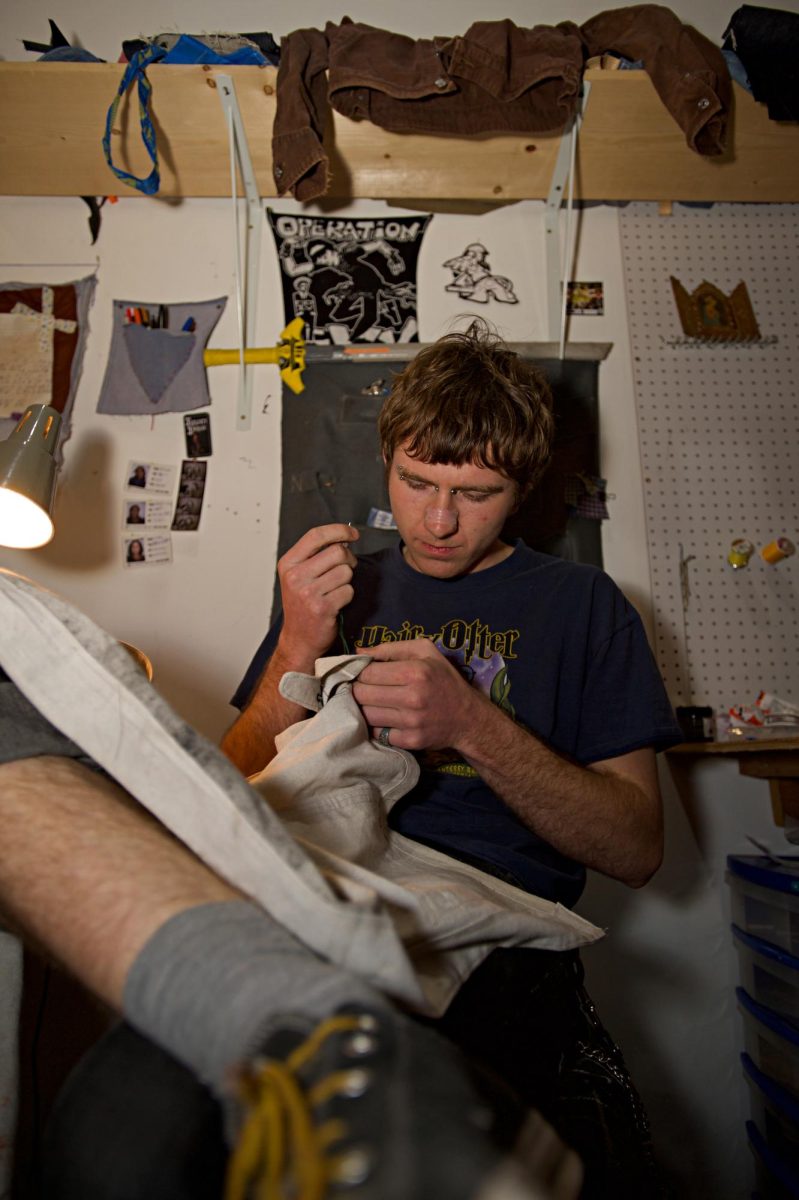
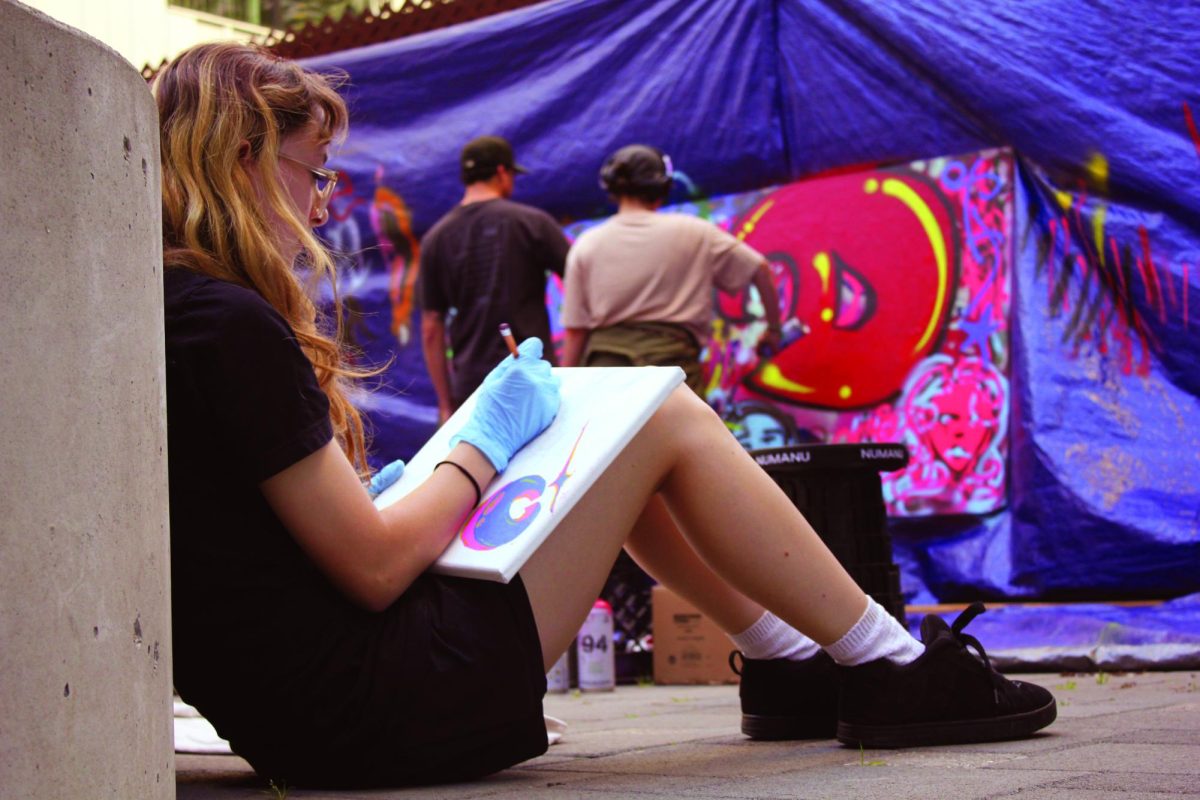
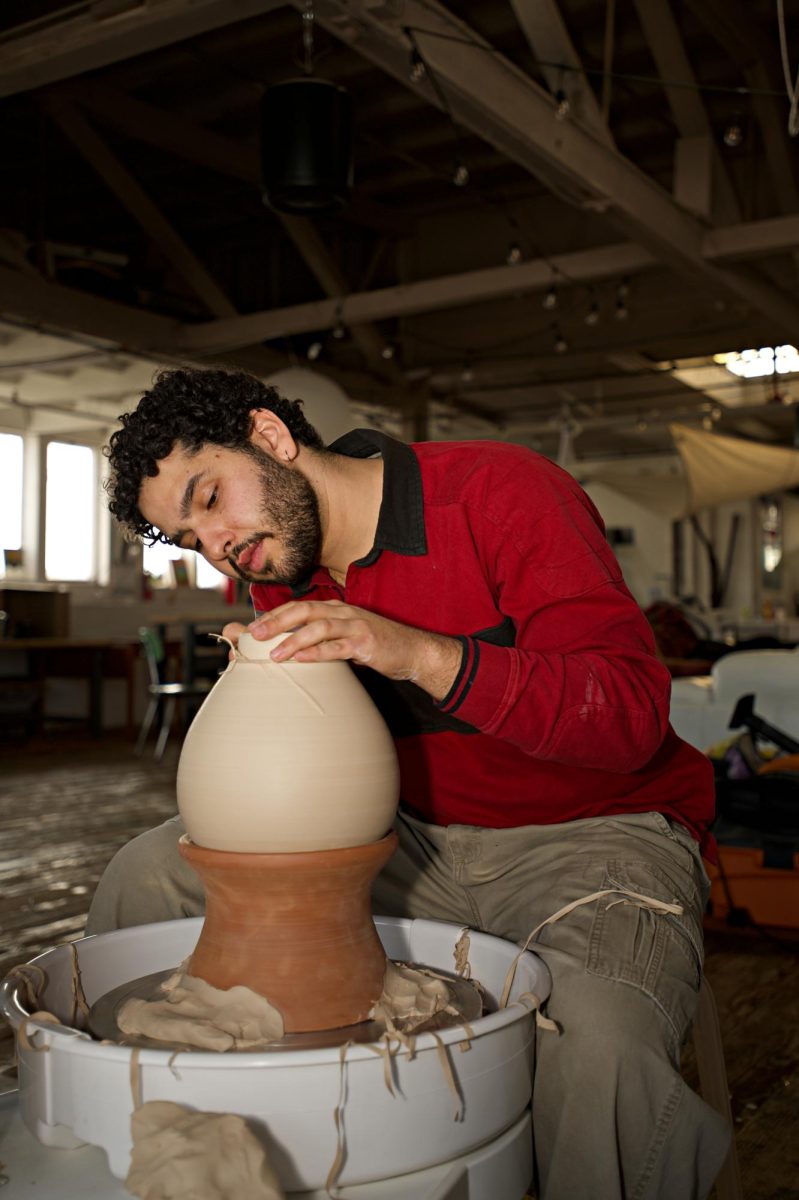
Designed for multidisciplinary creative work, Safariii Camp offers everything from a film lab and photo studio, recording and pottery studios to screen printing, as well as basic kitchen and storage necessities. The warehouse functions as a working studio for dozens of resident artists that range from leathersmiths, ceramicists, designers, musicians and more.
Aaron Ruiz, a Safariii Camp resident and creative director for Fat Cap, a drum and bass collective that hosts DJ sets and community-based events, often makes use of the free photo studio. “If no one’s using it, I can just go ahead and set up my lights. Having that kind of access has been amazing.”
Intentionally choosing who becomes a resident through an interview process plays into the collaborative aspects of the workspace. Every six months applications open and prospective artists apply through an open call and are invited to small group interviews led by current residents. Questions focus on the applicant’s craft, how they approach collaboration and whether their personality and communication style are a good fit for the shared environment.
In addition to daily use, the space hosts events such as Mud Lab, a low-cost ceramics program, and Bay Bazaar, a community gathering that blurs the lines between market and social space.
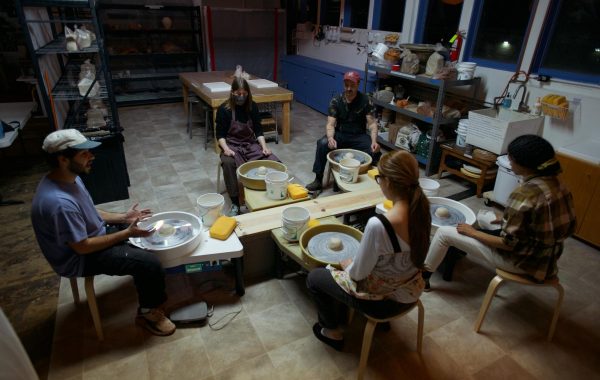
This month, Mud Lab — the ceramics studio inside the Safariii Camp warehouse — opened its doors. The studio offers beginner-friendly classes taught by residents at a significantly lower cost compared to other ceramics studios in the Bay Area. At Clay Room SF, 6-week ceramics courses cost $370 and include studio access and materials. Whereas at Mud Lab, the same tools and studio access are also included in the price, but at the cost of $260.
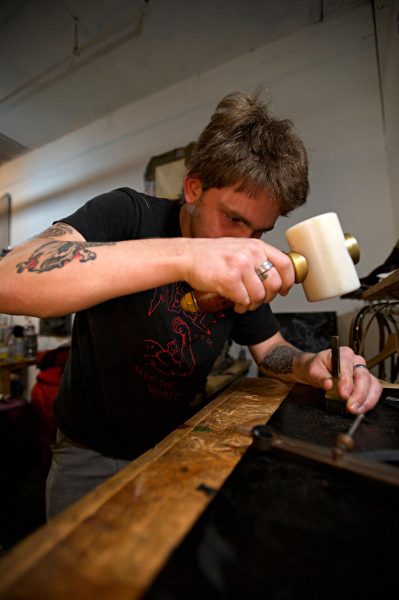
“We make sure everything we do is affordable,” said Haidari.
Residents also pay a monthly fee to use the warehouse, which many of them described as more feasible than comparable studio spaces. During Bay Bazaar, a $5 entry ticket is reinvested directly back to the collective and its shared resources. According to Arthur Javier, co-founder of program, the SF record label and event series, Safariii Camp keeps everything circular and DIY to support the continued access to tools, space and creative work.
“The point of [Bay Bazaar] is to help artists kind of take on that next step of — you know, to actualize the scary part of being an artist: to put yourself out there and make money from it,” said Haidari.
“And to have a third space for people,” added Alyousfi.
Bay Bazaar brings people together month after month, making long-lasting friendships and creative partnerships that extend beyond the warehouse and into the Bay Area’s art community.
Frank Benedetto, an eight-time attendee to Bay Bazaar and other events, finds reassurance through Safariii Camp’s community, finding that it not only creates but inspires diversity. “With everything going on in the world right now — it’s crazy. And, I feel like Safariii — you’re there for a little bit and you’re like ‘Wow, everyone doesn’t actually hate each other in the world.’”
Safariii Camp doesn’t really end. People keep coming back, making art and building community together, month after month.