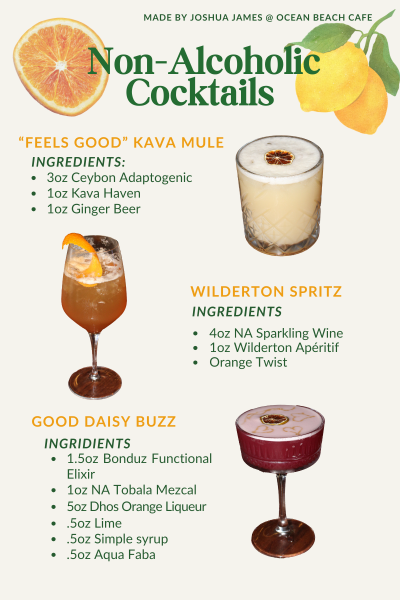
Drinks that could be mistaken for cocktails, conversations that circle the room and a night that stretches on — just without alcohol. Across San Francisco, Gen Zers are gathering in spaces built around conversation rather than drinking.
For decades, college nightlife has been almost synonymous with alcohol — parties, bars and even casual hangouts often revolved around drinking. But throughout San Francisco, that stereotype shifted. According to Cleveland Clinic, in 2018, 28% of college students reported that they abstained from alcohol.
While Gen Z’s drinking habits are decreasing, their craving for connection isn’t. As a result, alcohol-free spaces are reshaping what a night out can look like.
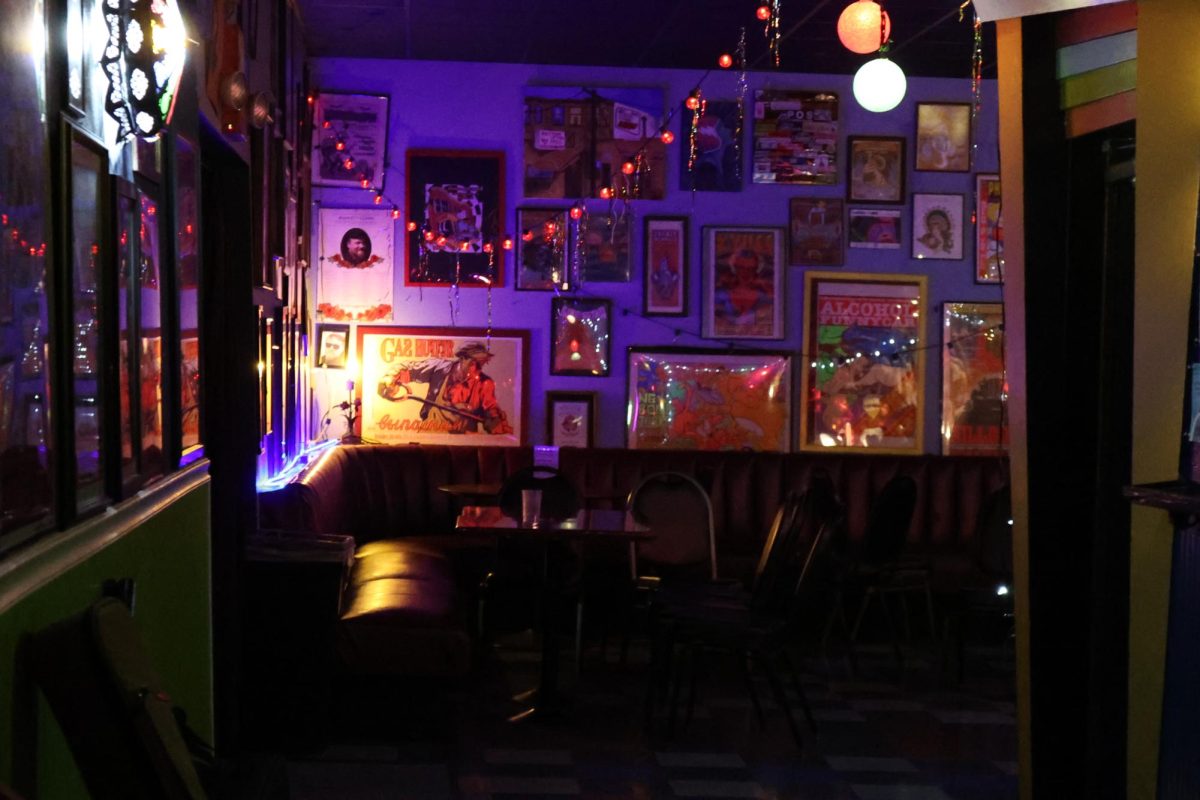
These spaces don’t resemble lecture halls about sobriety or watered-down versions of traditional bars. Instead, they feel intentional: warm lighting, thoughtfully designed interiors, menus built around curiosity and people lingering without the pressure to order.
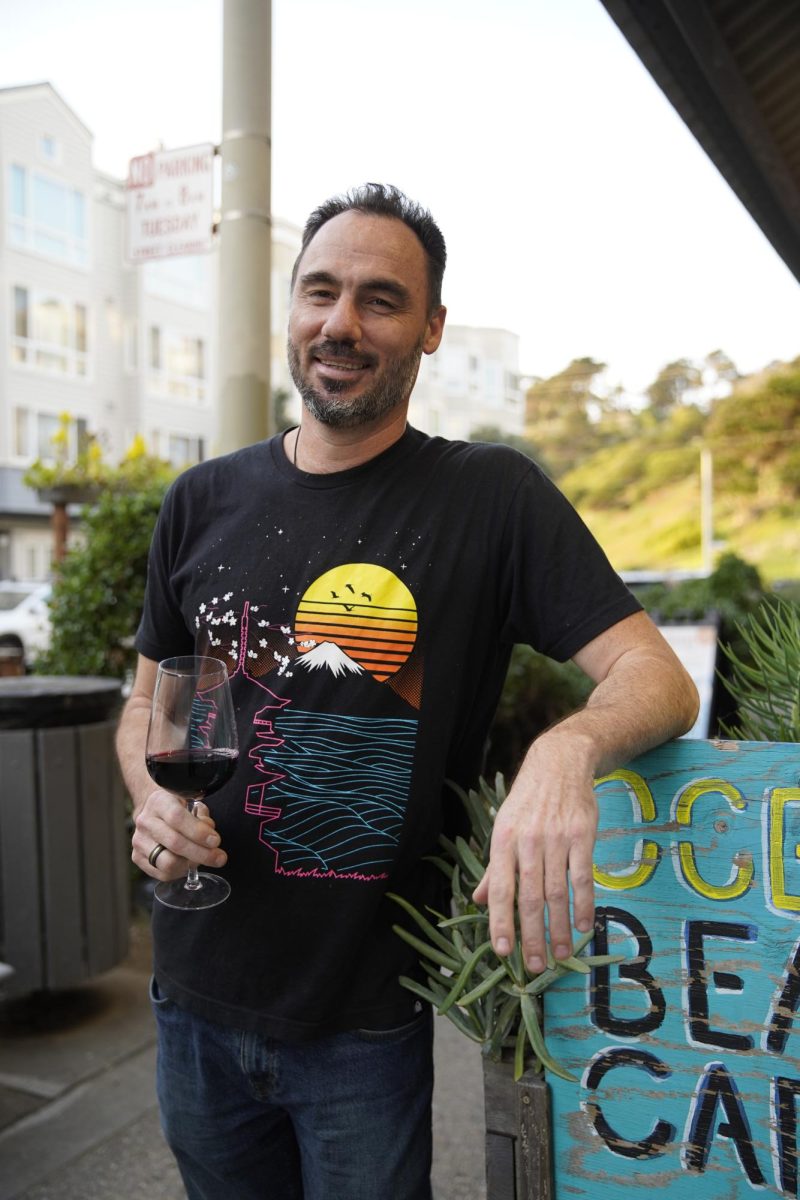
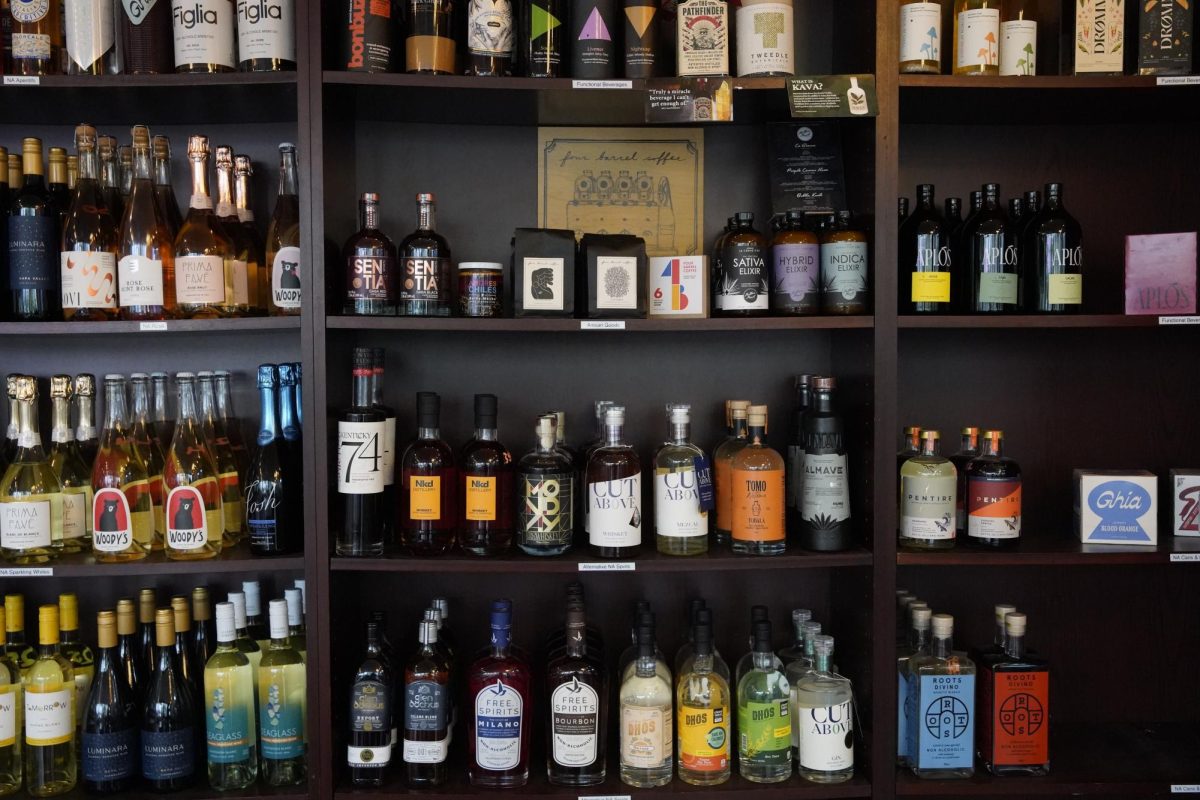
From the outside, Ocean Beach Cafe reads like any neighborhood cafe. Inside, a wall lined with more than 100 non-alcoholic beers, wines, spirits and functional drinks signal the uniqueness of the space. But founder Joshua James didn’t originally set out to open a sober destination.
“I had to drink a lot, and that was super fun, for a long time,” James said. “And then it wasn’t so fun for a while.” In 2020, James decided to take a year off from drinking. What stood out most was the clarity that followed. “I really enjoyed that — first time ever being super productive and getting a lot of stuff done and learning a lot because I wasn’t drunk or hungover.”
That clarity shaped the space itself. James intentionally calls it a cafe rather than a bar, emphasizing openness over exclusivity. “I don’t even care if they buy anything,” he said. “I just want them to see a wall of 100 bottles of the best of the best that I could find.”
During the day, laptops dot the tables; in the evening, the space feels social without being chaotic. It’s a place to talk, linger and actually hear the people you came with.
The shift toward alcohol-free social spaces may be less about rejecting drinking and more about searching for intentional connection. Isabel van Zuilen, founder of Sobertopia, a community for women exploring or embracing life without alcohol, stopped drinking nearly six years ago after what she describes as years of binge drinking that began at 15 and continued on into motherhood. “At some point, it was like, this is enough,” van Zuilen said.
After quitting alcohol in 2019, van Zuilen found a huge sober community on Instagram and wanted to translate that connection into real life after moving to San Francisco two-and-a-half years ago. “I was like, yes — a big city,” she said. “I can finally get people, in real life, together.”
Today, Sobertopia hosts multiple monthly meetups, offering what van Zuilen calls “safe, fun spots” for women to connect without alcohol. Van Zuilen recognized that sobriety can be an especially vulnerable journey for women.
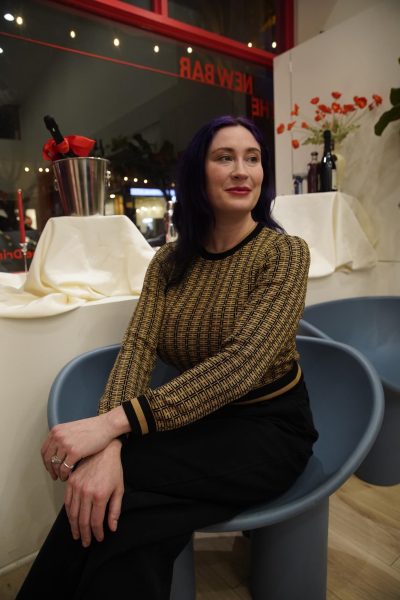
Other alcohol-free spaces aim to serve a broader audience. The New Bar, located in Pacific Heights, blends retail with social exploration. “We want to provide an environment where people who are sober feel like they have an option,” said Logan Weddle, director of retail operations.
For some Gen Zers, those options are more than a preference. For Santi Fillon, a City College student and San Francisco native who decided to get sober after their relationship with substances became codependent, options are a necessity.
Reflecting on their decision to get sober, Santi said the turning point came when they realized they didn’t want to rely on substances to move through life. “I was just kind of tired of not being able to experience life without a crutch,” she said.
Finding a community made the difference. “Once I had that community, it was really easy for me — I have all these friends who don’t use, and I think they’re so cool and awesome and that was the only time when I finally realized that I can be in these spaces.”
They still go out frequently — to concerts, clubs and shows — just without drinking. For Fillon, alcohol-free spaces offer a sense of normalcy rather than restriction.
Not every college student feels drawn to an alcohol-free nightlife, and that divide helps reveal how these social habits are evolving. Quin Stevens, a junior at University of San Francisco, who does drink, said alcohol remains common in college social life but, for him, overt peer pressure feels rare. “Most of the time, it’s my decision if I want to [drink] or not,” he said.
San Francisco’s alcohol-free spaces are not trying to replace traditional bars or eliminate drinking culture altogether. Instead, they expand the definition of what nightlife can mean. For Gen Zers navigating wellness, identity and independence, that expansion offers something increasingly valuable: the freedom to be social without alcohol at the center of their night.