

Black Americans are given limitations for who they can become, often confined to a small, stereotypical list — athlete, rapper, felon — each label meant to diminish their capabilities of achieving greatness.
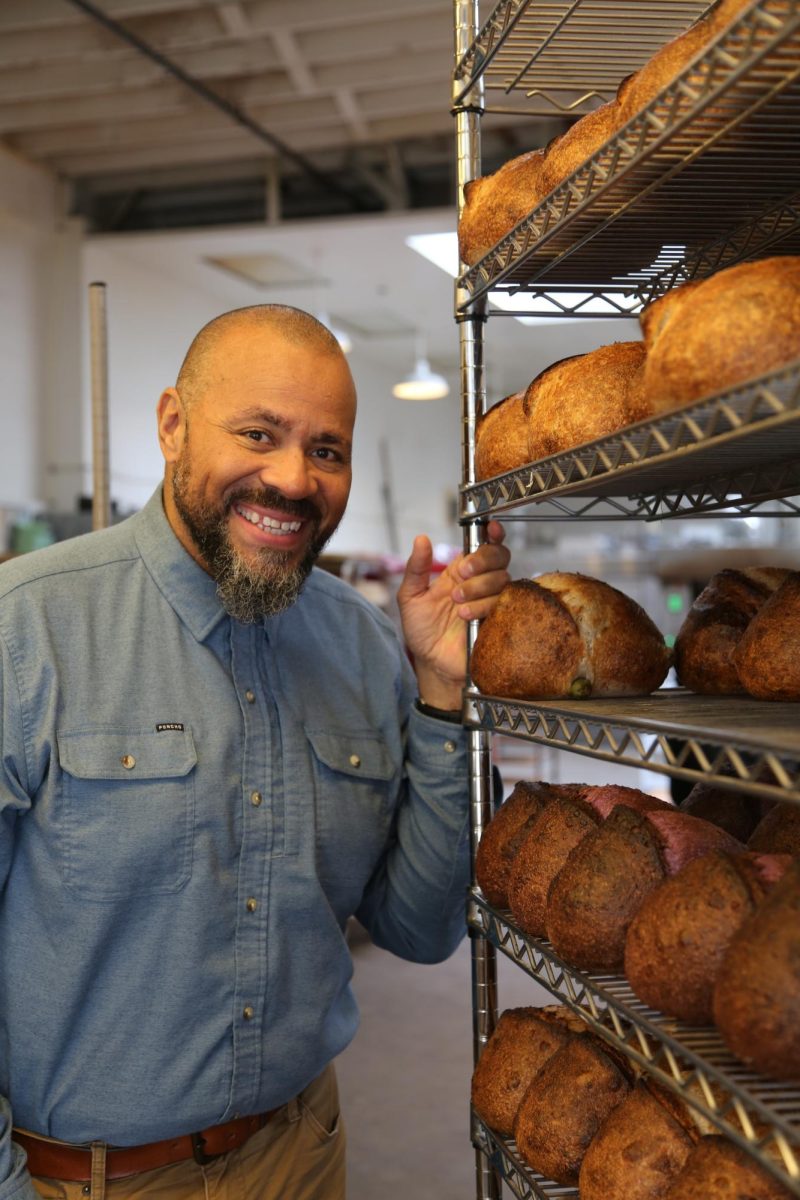
This same sentiment rings true for Azikiwee Anderson, Black business owner and founder of Rize Up Bakery in San Francisco. Contrary to these stereotypes, he has molded himself into something no one ever told him or imagined that he could become: a baker.
“Rize Up basically is alive because of the murder of George Floyd,” said Anderson. “Very similarly now to the murders that have been happening by law enforcement or ICE.”
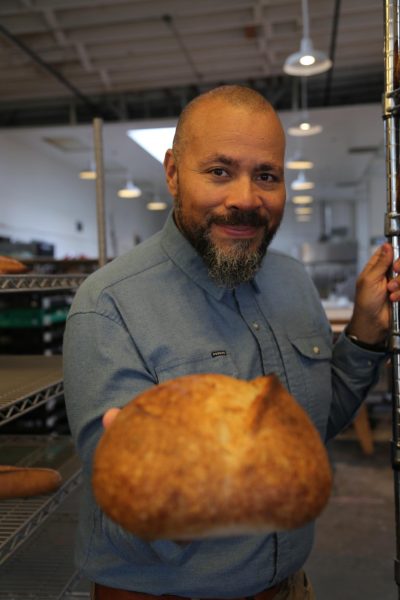
Anderson had his own internal fears surrounding police brutality — whether it was getting stopped by the cops or being accused of stealing simply because he was Black, these moments of unlawful police run-ins shaped his involvement in activism. Since then, he has used his gift of baking as a form of protest to implement change for marginalized communities.
In the heart of SoMa, from sunrise to closing, Rize Up’s warehouse is home to unique and traditional flavors: from baguettes and hoagie rolls to specialty loaves, like savory gochujang or sweet chocolate bourbon.
Anderson started off as what he calls an “Instagram baker,” posting videos and photos of his creations to his then small social media following, which has since grown to roughly 32,000 followers.
From the company logo that resembles the iconic Black power fist to their Instagram bio, noting they are “born out of true social unrest,” his brand is a representation of who he is.
“I remember the first time that I went from making like four loaves at a time, tried to make ten — I ruined all of them; I didn’t even know how to do it … now I’m making 30 loaves at a time,” he said. “I got up to making 150 loaves a day out of my house, by myself.” By that point his wife politely asked him to take his business elsewhere — and the rest seemed to fall into place.
Since he was a child, Anderson has always formed meaningful connections to food. Whether it was from his New Orleans roots, the rich taste of gumbo, the grainy textures of cornbread or the sweetness of his grandmother’s pie, he described his love of food to come from moments of togetherness.
This sense of unity is a pillar to how he operates his business from the inside out.
“The ‘why’ behind things is really important,” said Anderson. “You know, people come by, and they could be homeless and hungry, and they walk by and they ask for help, and the whole part of our thing is being there for them.”
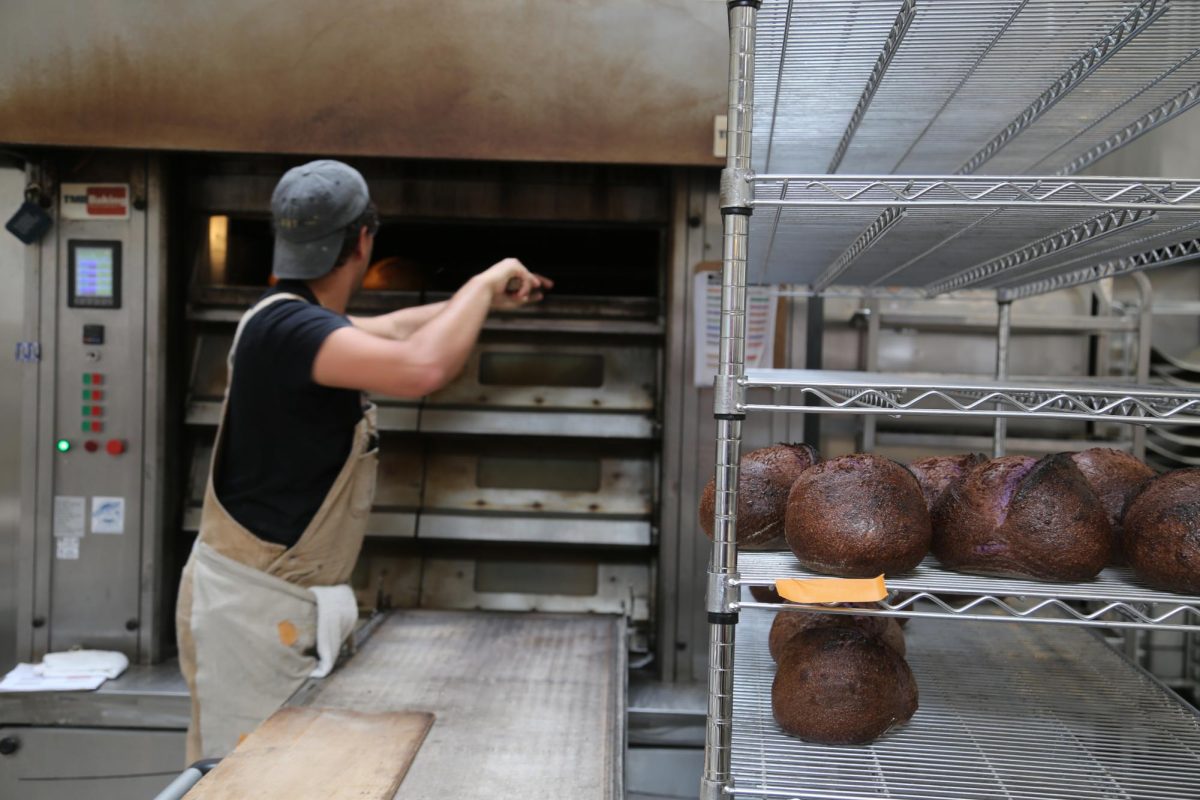
By cultivating a safe and inviting space, Anderson has instilled trust in community members and customers. “I get to surround myself with beautiful, kind people that love what they do and work hard,” he said. “I’ve created, in a weird way, my ideal little world.”
Kitchen culture is an often bustling, intimidating and energy-draining job. In a 2024 survey, the Institute of Hospitality found that 76% of hospitality workers reported mental health issues in their careers. While the industry faces an uptick in the need to safeguard their employees, it’s often in the hands of employers to foster these supportive environments.
Growing up in a more predominantly white space, Anderson always felt like he was the only Black person in the room. Becoming a business owner has given him the opportunity to create a space for those who’ve experienced this feeling of isolation and instill the same sense of togetherness that sparked his love for food.
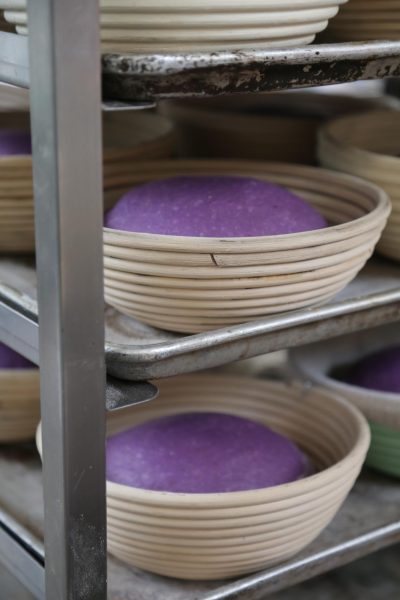
One of Rize Up’s most sought after items, the ube loaf — made from vibrant, sweet purple yams native to the Philippines — was created through this same method of storytelling. Anderson worked with a local Filipina woman who owned a coffee shop nearby and wanted to sell bread. “She was like, ‘Do you think we can make something special?’” Anderson made 20 different versions until he “nailed it.”
“You cook for the people that you love,” he said. “You put love into it. That’s what I was always taught.”
Spearheading community involvement, Anderson is partnering with Bayview Makers Kitchen to create a hands-on baking experience for young adults in a predominantly Black area of the city. The sessions will take place on the fourth Sunday of every month. The goal? To demystify the idea that success in the food industry is out of their reach.
“When I was growing up, everyone told me what I could do as a Black person or what I couldn’t do,” he said. “I didn’t feel like I could be an astrophysicist, right? Not because I wasn’t smart enough to be, but … because I’d never seen anyone like me do it.”




Neal Wong • May 13, 2026 at 10:52 pm
This story has inspired me to visit Rize Up Bakery. I hope Xpress Magazine does more stories about people who make good food.